China Construction Machinery Exports Hit $53.5B and Shift to Overseas Plants
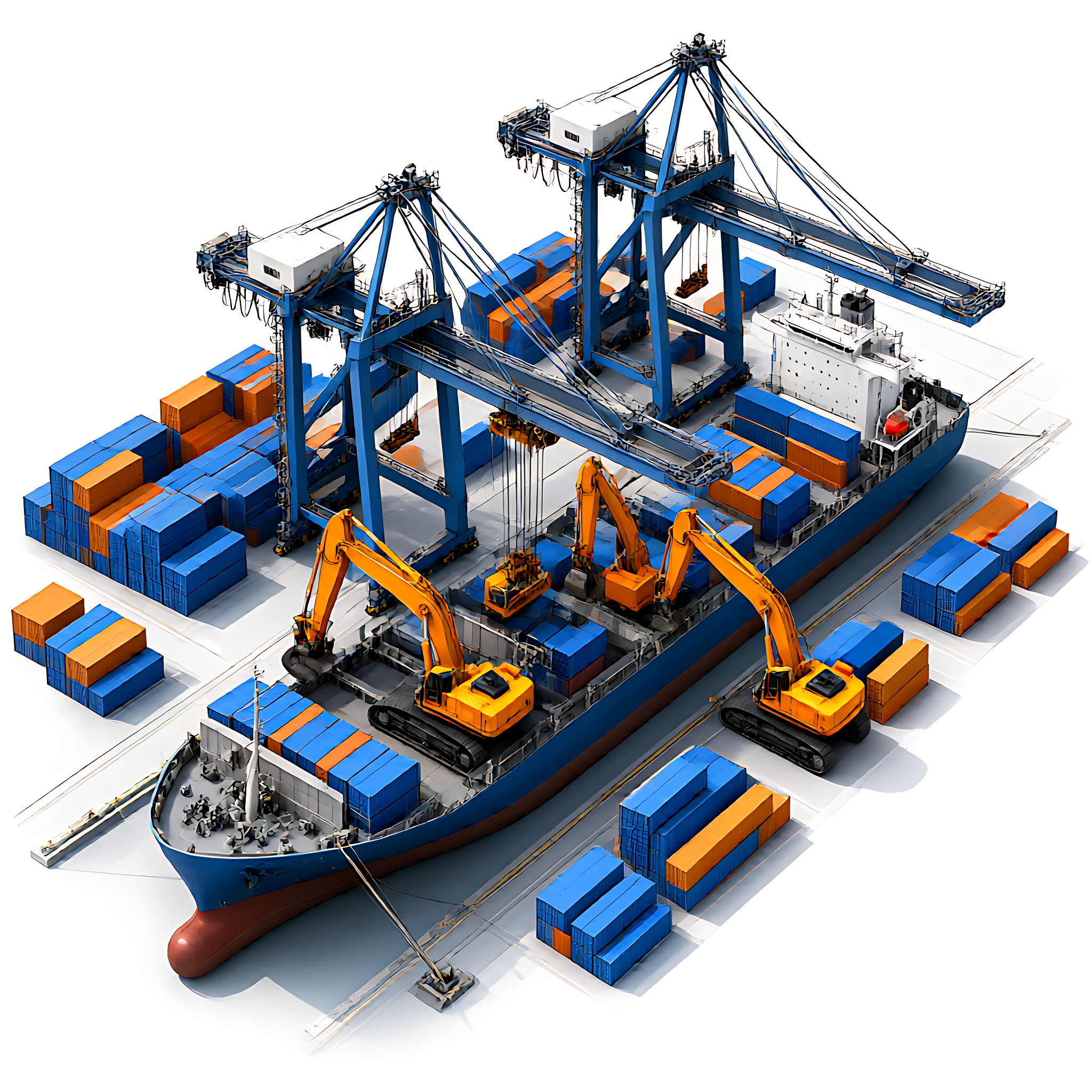
In the first three quarters of 2026, Chinese construction machinery exports delivered a high-growth result: exports reached 53.514 billion USD (535.14 hundred million USD), up 22% year on year, with September alone exporting 6.952 billion USD, a surge of 31.9% year on year (China Construction Machinery Industry Association, compiled from General Administration of Customs data). Yet over the same period the industry as a whole "grew revenue but not profit" — revenue of 335.8 billion CNY while net profit fell 4%. Export volume has been scaled up, so what is the next contest about? The answer points in one direction: from selling equipment to building plants overseas, from products going global to entire industries going global.
Export Scorecard: 53.5 Billion USD in the First Three Quarters, Still Accelerating in September
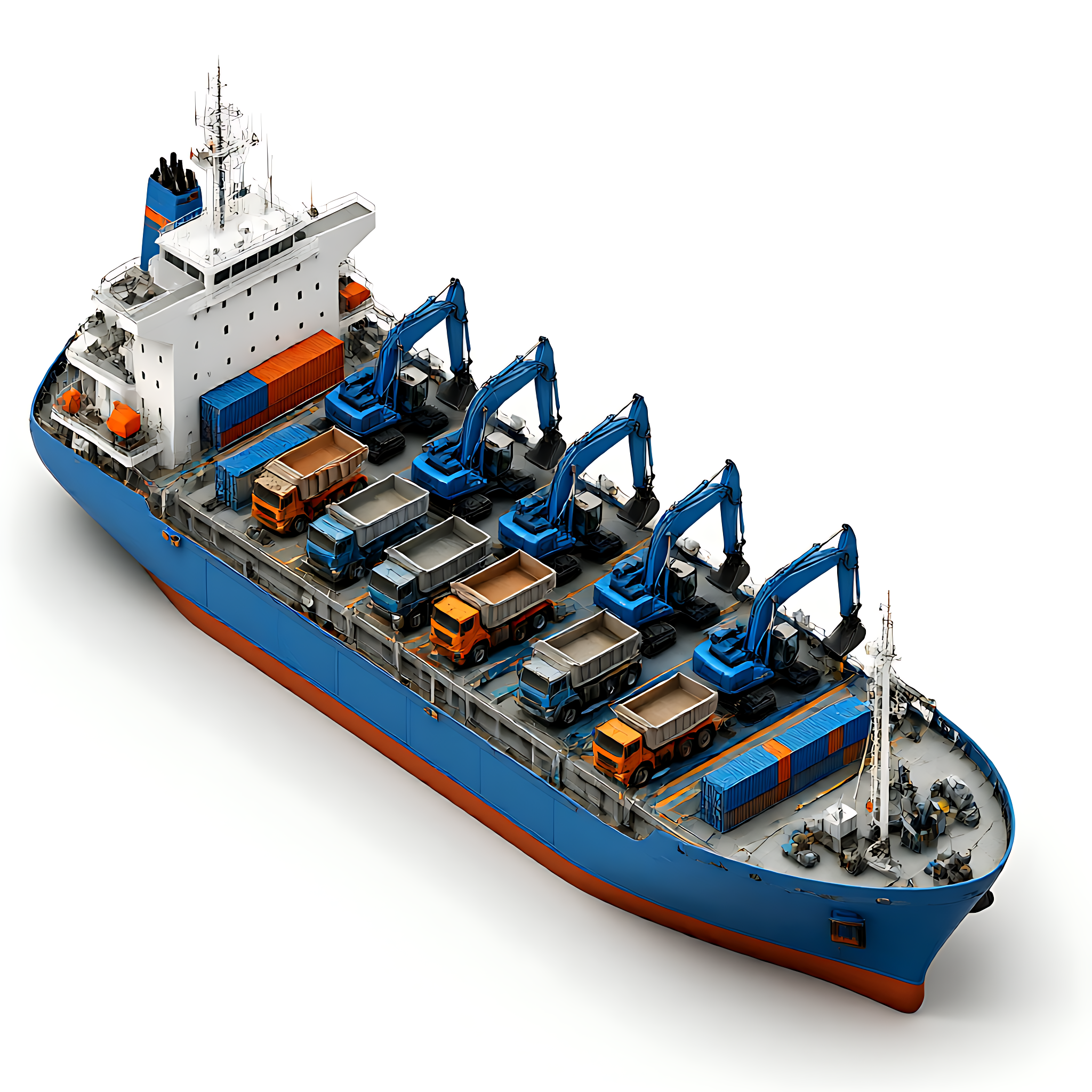
Start with the hard numbers. From January to September 2026, China's construction machinery exports totaled 53.514 billion USD, up 22% year on year; September alone exported 6.952 billion USD, up 31.9% year on year, with the growth rate rising further month on month. By machine type, excavators are the clear mainstay: exports approached 110,000 units in the first nine months, accounting for more than half of their total sales, marking 26 consecutive months of year-on-year growth (Sina Finance, October 14, 2026).
Stretch the timeline out and the slope of this growth curve is still getting steeper. In the first half of 2026 the whole industry exported 34.373 billion USD, of which Chinese excavator exports surged 33% year on year (South China Morning Post, July 2026), with the growth engine clearly tilting toward electric products. Customs data and listed companies' third-quarter reports corroborate each other: exports are no longer a cyclical rebound but a structural, long-term mainline.
Worth noting is the change in export model. In the past, what sold was individual machines; now a growing number of companies export complete solutions — equipment, parts and service bundled together. While the industry's export value broke 34.3 billion USD in the first half, leading companies' overseas revenue share generally reached 50%, and for several listed firms — Sany Heavy Industry, Shantui, Sunward Intelligent, Noblelift and others — overseas business already accounts for more than 60% of revenue.
Growing Revenue but Not Profit: The Other Bill of Going Overseas
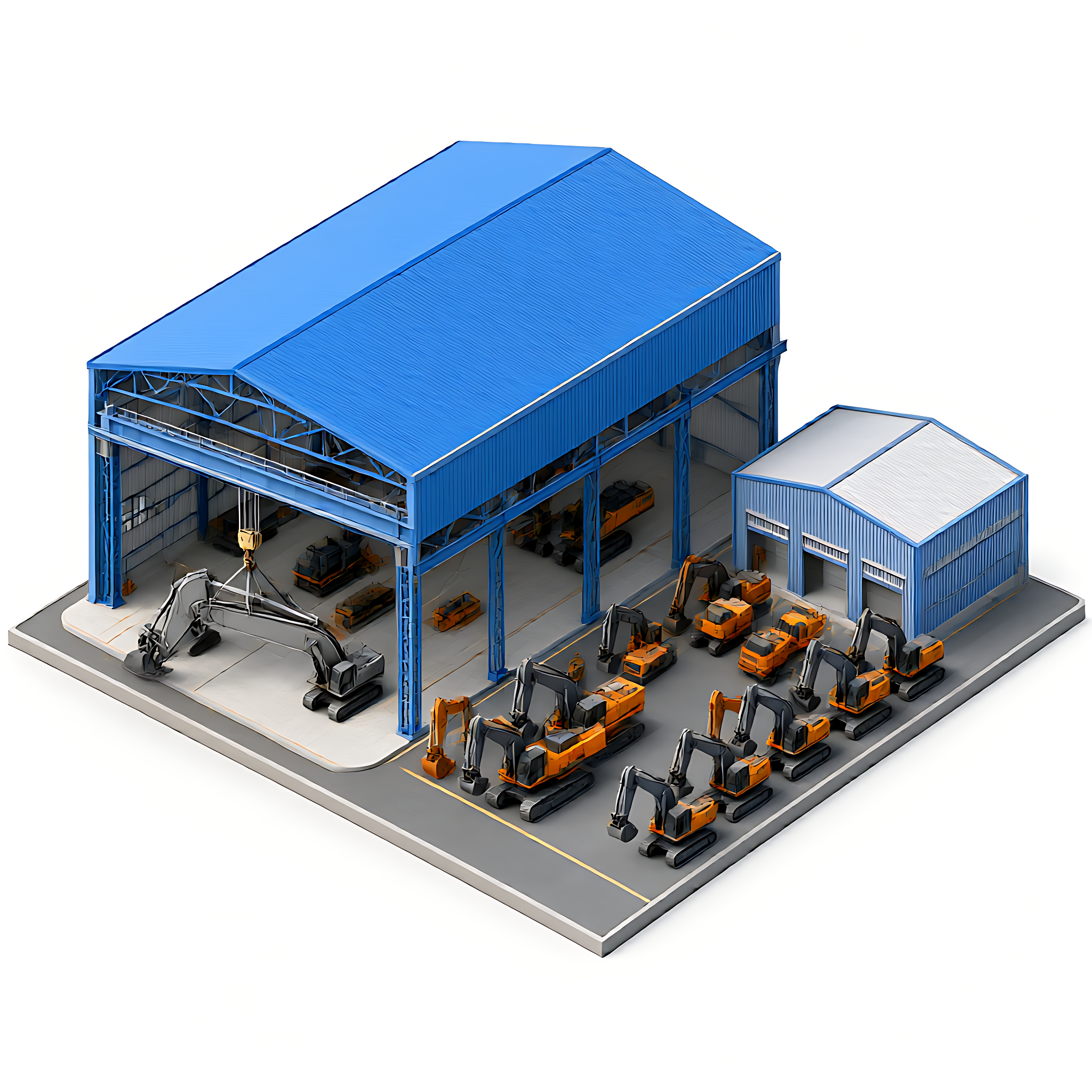
Going overseas is not without a price. In the first three quarters of 2026, the industry's overall revenue was 335.8 billion CNY, up 13.4% year on year, while net profit was 27.4 billion CNY, down 4% year on year — a typical "revenue up, profit down" pattern. The main pressure on profit is not demand but the exchange rate: among the 22 construction machinery sample listed companies tracked by Wind, exchange losses alone cut overall profit by 7.9 billion CNY in the first half of the year. China Railway Construction Heavy Industry saw financial expenses jump from 7.68 million CNY to 82.38 million CNY in the first three quarters, and the company stated plainly that the main cause was exchange losses.
By company, the divergence in the third-quarter reports is clear:
| Company | First three quarters | Key overseas moves |
|---|---|---|
| Sany Heavy Industry | Q3 revenue 24.907 billion CNY (+16.8%), net profit attributable to shareholders 2.314 billion CNY (+20.62%) | Continued breakthroughs in mature European and American markets; "products going global" upgraded to "industry going global" |
| Zoomlion | Revenue 40.019 billion CNY (+7.71%), net profit attributable to shareholders 3.781 billion CNY (+1.87%) excluding exchange losses | Phased exchange losses the main driver; overseas revenue continuing to ramp up |
| LiuGong | Phase II of the India plant is in production; the Indonesia plant is expected to be completed next year | Dealer agreements provide for automatic price adjustment when exchange rate swings exceed 3% |
| China Railway Construction Heavy Industry | Financial expenses rose from 7.68 million CNY to 82.38 million CNY | Exchange losses concentrated here |
The conclusion is direct: exchange losses are a non-cash, phased book-entry disturbance that does not change the main melody of growing overseas demand — but they turn "localization" from a bonus point into a question that must be answered. For the full breakdown of profit divergence, Q3 Earnings: Sany's Net Profit the Only One Up, Exchange Losses Eat Peers' Profits already analyzed a round.
From Products Going Global to Industry Going Global: The Overseas Plant-Building Wave Arrives
The ultimate answer to exchange rates and the trade environment is to put capacity and supply chains into overseas markets. This path is landing faster:
- LiuGong: Phase II of the India plant is already in production, the Indonesia plant is expected to be completed and start production next year, and site-selection research for manufacturing bases in the Americas and Europe is also underway; at the same time it raises the hedge ratio on its foreign-exchange exposure, strictly controls minor-currency risk to bring down volatility, and even stipulates in overseas dealer agreements that a monthly exchange rate swing of more than 3% automatically triggers a price adjustment, with manufacturer and channel sharing the FX cost.
- Sany Heavy Industry: has explicitly set globalization as a core strategy, pushing the business from "products going global" to "industry going global"; overseas gross margins keep climbing, with profitability better than the domestic market.
- Industry-wide: paying salaries and procurement in local currency to compress foreign-exchange exposure at the source; the direction of selling expense has also changed — new overseas outlets and localized teams have become the biggest spend.
Policy has set the tone as well. The "15th Five-Year Plan" development plan for the construction machinery industry, issued last month, calls on companies to seize the opportunity of global supply chain restructuring, shift foreign trade from a scale-and-speed model to a quality-and-efficiency model, continuously raise the added value of export products and overseas comprehensive service capability, and achieve high-quality global expansion. In other words, at the national level "overseas plants plus local service" has been written into the roadmap for the next five years.
Regional Opportunities: Emerging Markets Take the Baton, Belt and Road Still the Main Axis
Where does the money come from? Three directions are the clearest.
First, Belt and Road countries. Infrastructure cooperation keeps deepening, and Chinese construction machinery's share of exports to partner countries has long been high, with overseas contracting and equipment exports reinforcing each other. Second, Southeast Asia and Latin America. Nickel mining and infrastructure in Indonesia, agriculture and mine development in Brazil are all pulling demand for excavators and loaders; Chinese brands have gone from a "value-for-money choice" to a "mainstream option" locally. Third, the Middle East. Large new-city and infrastructure projects are being launched in clusters, driving strong demand for concrete pump trucks and lifting equipment.
For buyers, this means two practical changes: first, the overseas installed base of Chinese equipment has grown, making parts supply and second-hand circulation more convenient; second, to defend overseas markets, OEMs will give export channels priority access to better configurations and shorter lead times.
Electrification: The New Selling Point in the Going-Global Story
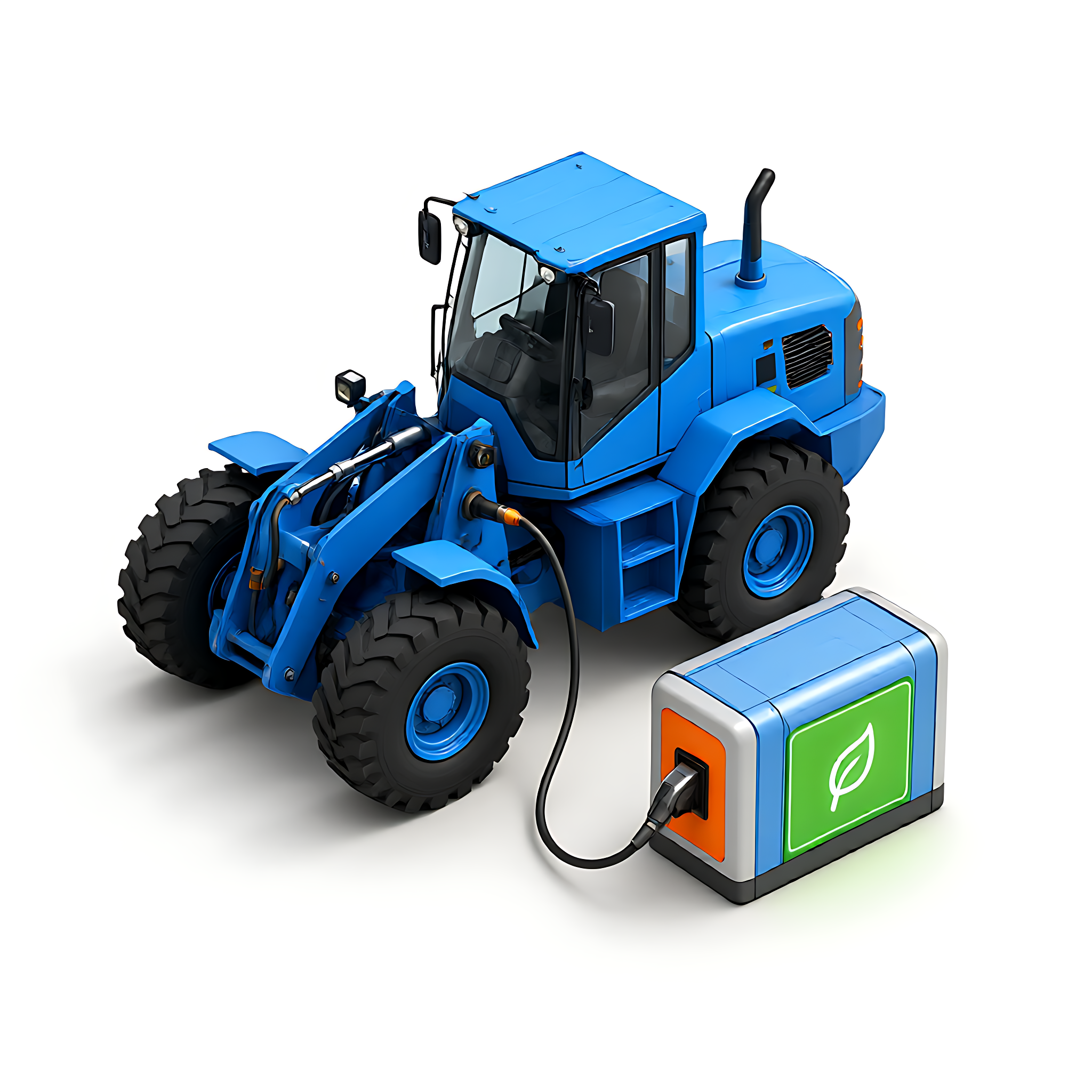
The brightest variable in the export mix is electrification. South China Morning Post data shows that Chinese excavator exports grew 33% year on year in the first half of 2026, with growth clearly tilting toward electric models; People's Daily Overseas Edition and Global Times have also reported in turn that Chinese green construction machinery keeps selling well overseas, with electric products becoming the new incremental source of exports.
The reason is not complicated: emissions and noise rules are tightening on overseas jobsites, electric equipment has a clear total cost of ownership advantage in mines, tunnels and enclosed yards, and China happens to have the world's most complete electric construction machinery supply chain. To understand why electric loaders dare to drop the torque converter and how the drivetrain gets simplified, Why Electric Loaders Drop the Torque Converter: Drivetrain Explained breaks it down in more detail; for the scale and share backdrop of this export wave, Global Excavator Sales of 570,000 Units a Year: Chinese Makers' Share Rises to 30% gives the full picture.
In Closing: Going Global Enters the Stage of Competing on Hard Power
An export figure of 53.5 billion USD says demand is fine; growing revenue but not profit says the era of rough going-global is over. The next watershed is whether companies can build plants overseas, roll out service, and manage exchange-rate risk. There is risk in this process — and an opportunity for a whole generation. For Chinese buyers and overseas procurement teams alike, Chinese equipment's delivery, parts and service capability will only keep getting stronger.
EquipNode has worked in construction machinery exports for many years, with a product line covering SANY electric loaders, SANY concrete pump trucks, concrete mixer trucks and other mainstream models. For specific equipment quotes, overseas lead times and parts plans, contact us to get a customized proposal for your market.