Why Mini Excavators Are Booming Overseas: Tonnage Classes Explained
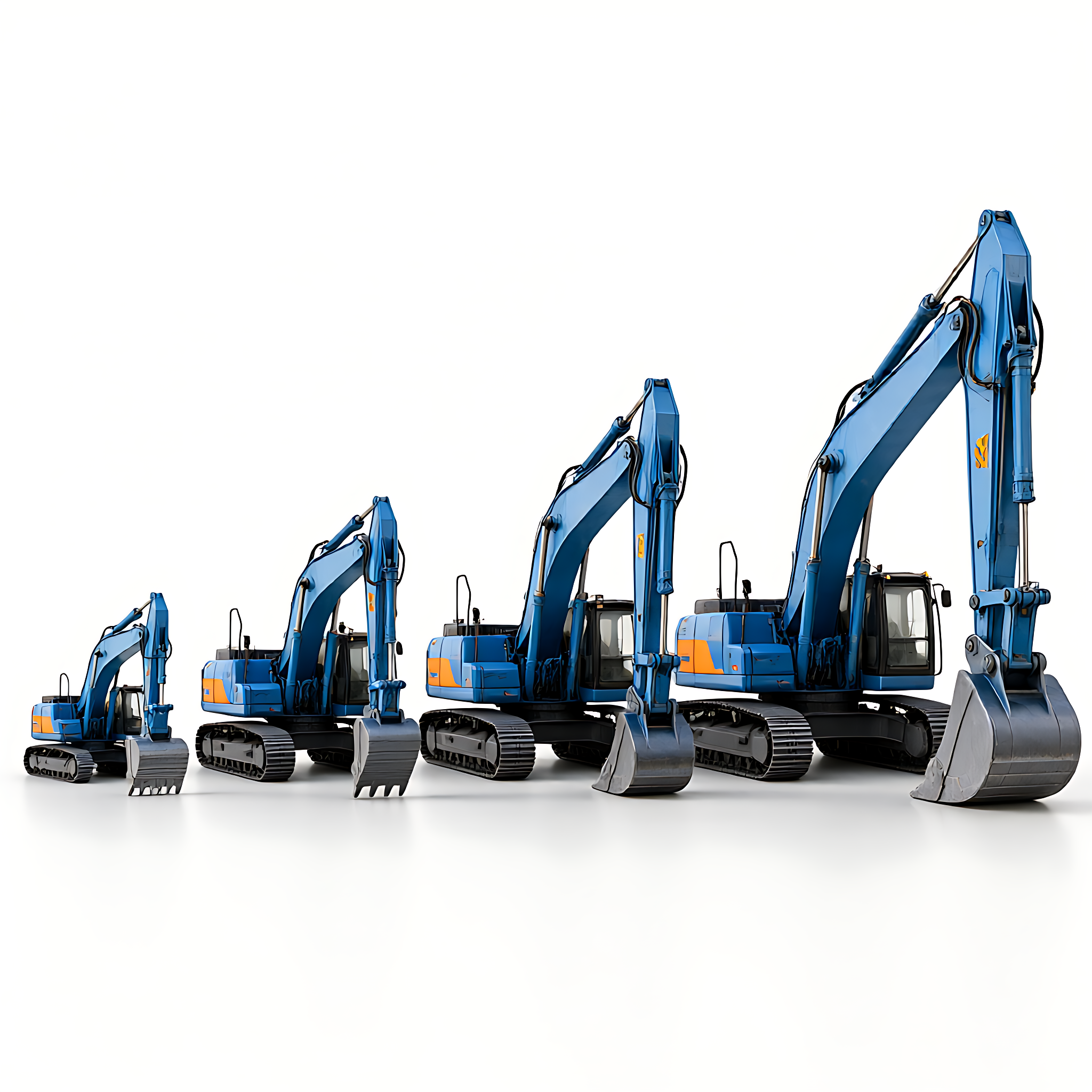
A 1.8-tonne mini excavator ships from Shandong to an American farmer's backyard; on Amazon, Chinese sellers list excavators like household appliances; the headline from The Paper in August 2026 put it bluntly — Chinese-built mini excavators are "occupying" the backyards of overseas families. Meanwhile, Weihai News ran a piece on October 20 titled "Weihai-Made Mini Excavators Pry Open a Big Overseas Market." So what exactly is driving mini excavators abroad, and how should you choose one by tonnage before buying? This explainer answers both in one go.
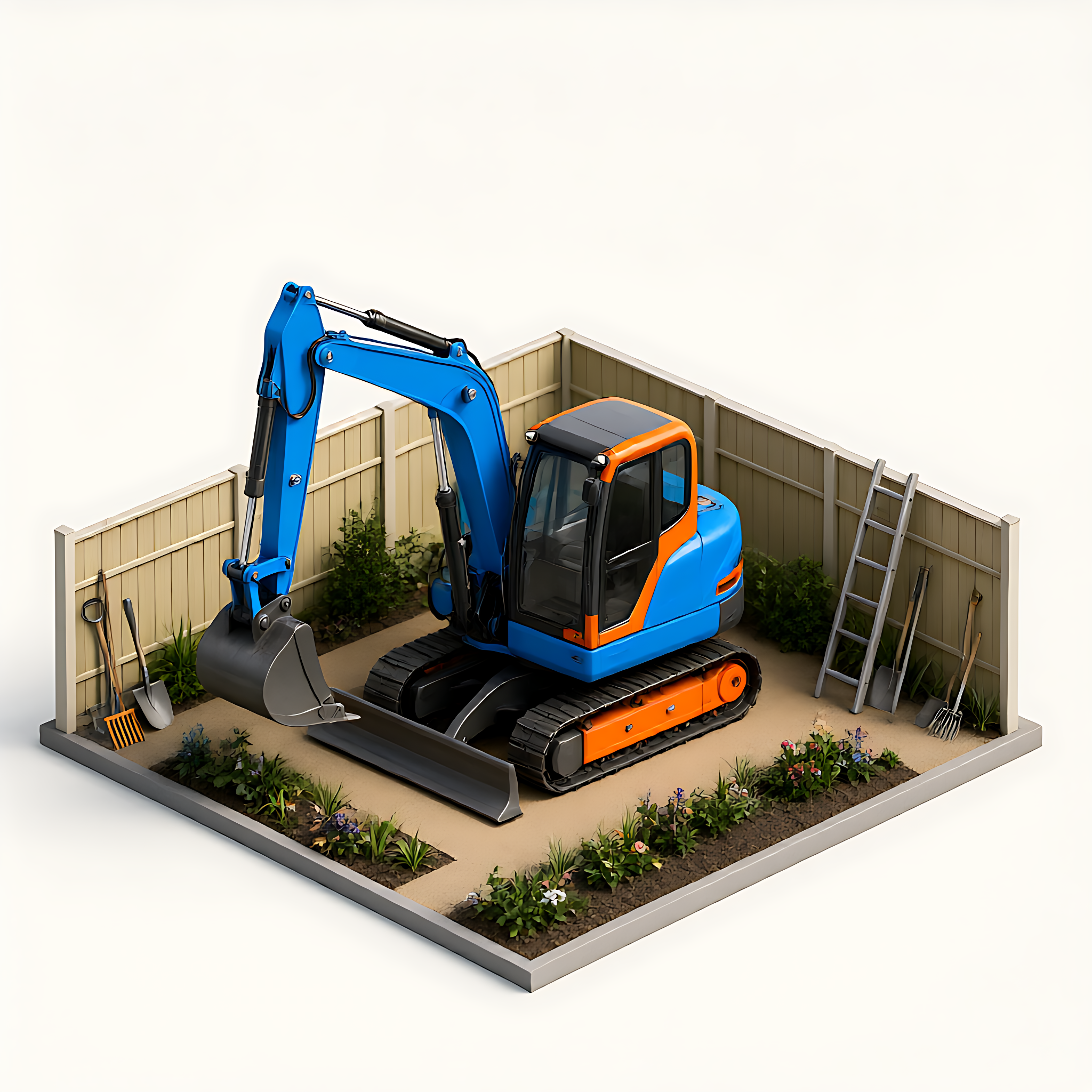
The Overseas Mini Excavator Boom: A Niche Growing at Nearly 50%
Start with the numbers. A January 2026 report from Guancha noted that overseas buyers are snapping up Chinese excavators, with the segment growing at close to 50%; 36Kr documented the full journey of a Shandong excavator bound for an American farmer in August; and Weihai's mini excavator cluster posted its overseas results in October. This is no isolated case: global excavator sales run about 570,000 units a year, and Chinese manufacturers' share has climbed to 30% (see Global Excavator Sales at 570,000 Units a Year: Chinese Manufacturers' Share Rises to 30%), with micro and small machines the fastest-growing export segment.
The appeal of mini excavators is actually pretty straightforward:
- Low total price: a mini excavator often costs about the same as a family car, so overseas owner-operators and farmers can afford one outright;
- Fits through the backyard gate: 1–2 t machines are generally under a metre wide and can pass through doorways and over fences. They can't do a big machine's work, but trenching, stump clearing and grading are all well within reach;
- Easy to transport: anything under 6 t can be towed by a regular pickup or small trailer, with no special haulage licensing;
- Rich attachment range: fit a breaker, grapple or auger and one machine can stand in for a small crew.
Tonnage Classification: How Machines Are Sized from 1 to 100 Tonnes
The first lesson in machine selection is learning to read tonnage. By operating weight, the industry's common convention splits machines into five classes:
| Class | Operating Weight | Typical Applications |
|---|---|---|
| Micro (mini) | Under 1 t – 6 t | Yards, farms, indoor demolition, municipal landscaping |
| Small | 6 – 13 t | Municipal works, landscaping, farmland water conservancy, small earthworks |
| Medium | 13 – 40 t | Highways, real estate, infrastructure earthworks |
| Large | 40 – 100 t | Quarries, major infrastructure, port loading and unloading |
| Extra-large | Over 100 t | Mine stripping, large-scale mining load-outs |
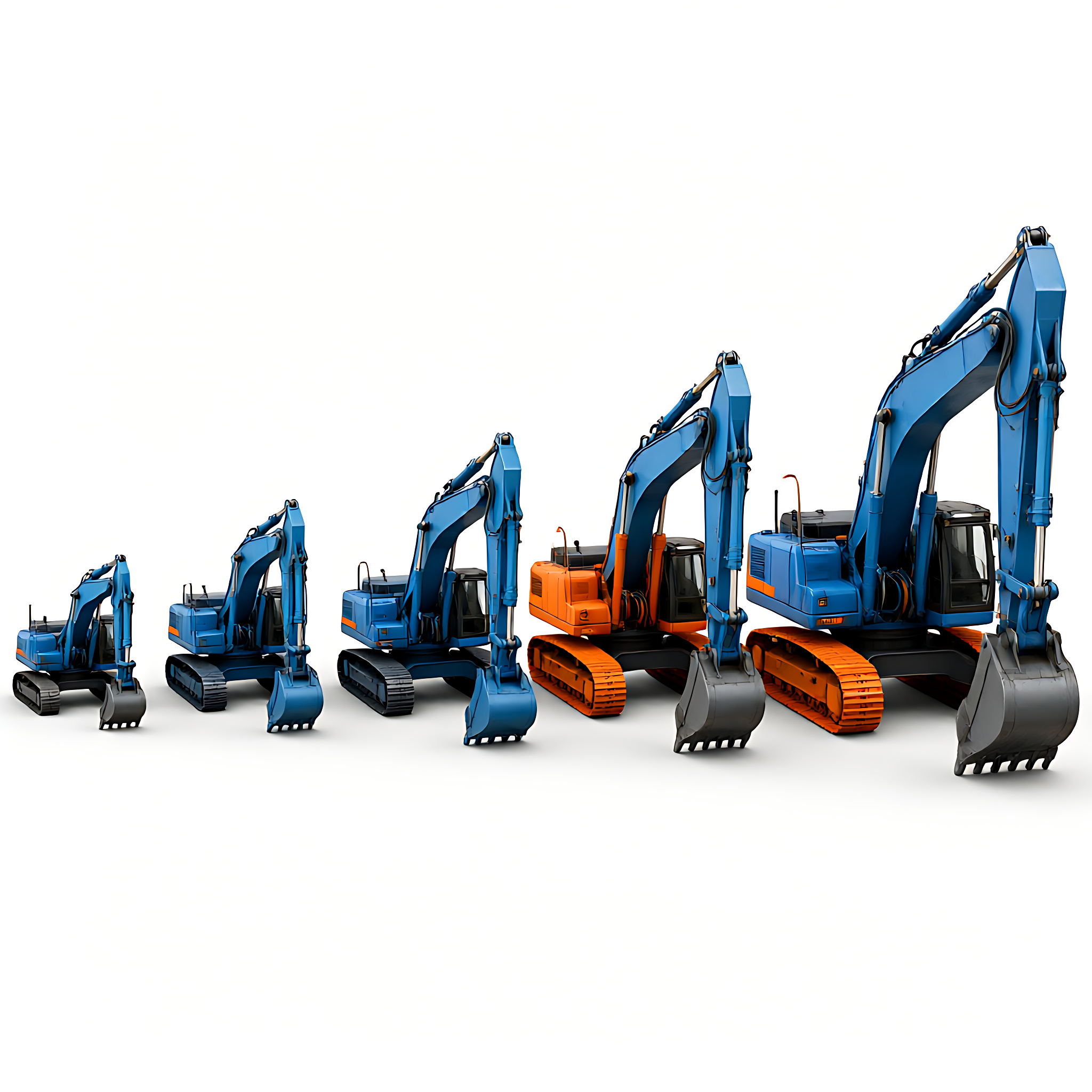
One caveat: the definitions are not standardized across the board. American convention, for instance, typically calls 11–19 t small, 20–35 t medium and 36–90 t large; some manufacturers call everything under 6 t micro, others count everything under 10 t as compact. As long as you check the "operating weight" column in the spec sheet, you won't get lost. For how a machine actually digs and how the hydraulic system delivers power to the bucket, see How Does an Excavator Work? A Plain-English Guide to Operating Principles and Machine Selection.
Mini Excavators Split Into Four Tiers of Their Own
Micro machines need a further subdivision, and each tier matches a very different kind of job:
- 1–2 t (micro tier): the workhorse for backyards and indoor demolition. Under a metre wide, it fits through a standard doorway and can be hauled off on a small trailer;
- 3–4 t (mini tier): widely accepted as covering around 80% of residential and light commercial work — the most sought-after size in the rental market;
- 5–6 t (compact tier): the mainstay of municipal landscaping and farmland water conservancy, typically good for digging depths around 3.5 m;
- 7–10 t (transition to medium tier): where small commercial projects start coming in. Productivity approaches that of standard machines, but transport requirements step up noticeably.
In practice, digging depth, bucket width and transport weight often matter more than the headline tonnage: if the site is tight, measure the doorway and turning radius first; if you'll be moving frequently, keep the machine's own weight within your trailer's rating.
Tracked or Wheeled: Two Different Undercarriages
Same excavator, different undercarriage, completely different job. Tracked machines run low ground pressure, so they handle soft ground, wetlands and slopes alike, and dig from a stable platform — the default choice for earthworks. The downside is that moving between sites means loading onto a trailer, and they are slow and hard on paved roads. Wheeled machines are the inverse: they can cruise at tens of kilometres per hour and drive themselves from one job site to the next without damaging asphalt, which is why municipal pipeline maintenance and emergency road repair are especially fond of them — the August 2026 overseas feature "Wheeled Excavators Explained" and the Landcros ZX180W-7 wheeled excavator launched in September both point to wheeled machines becoming a hotbed of new releases.
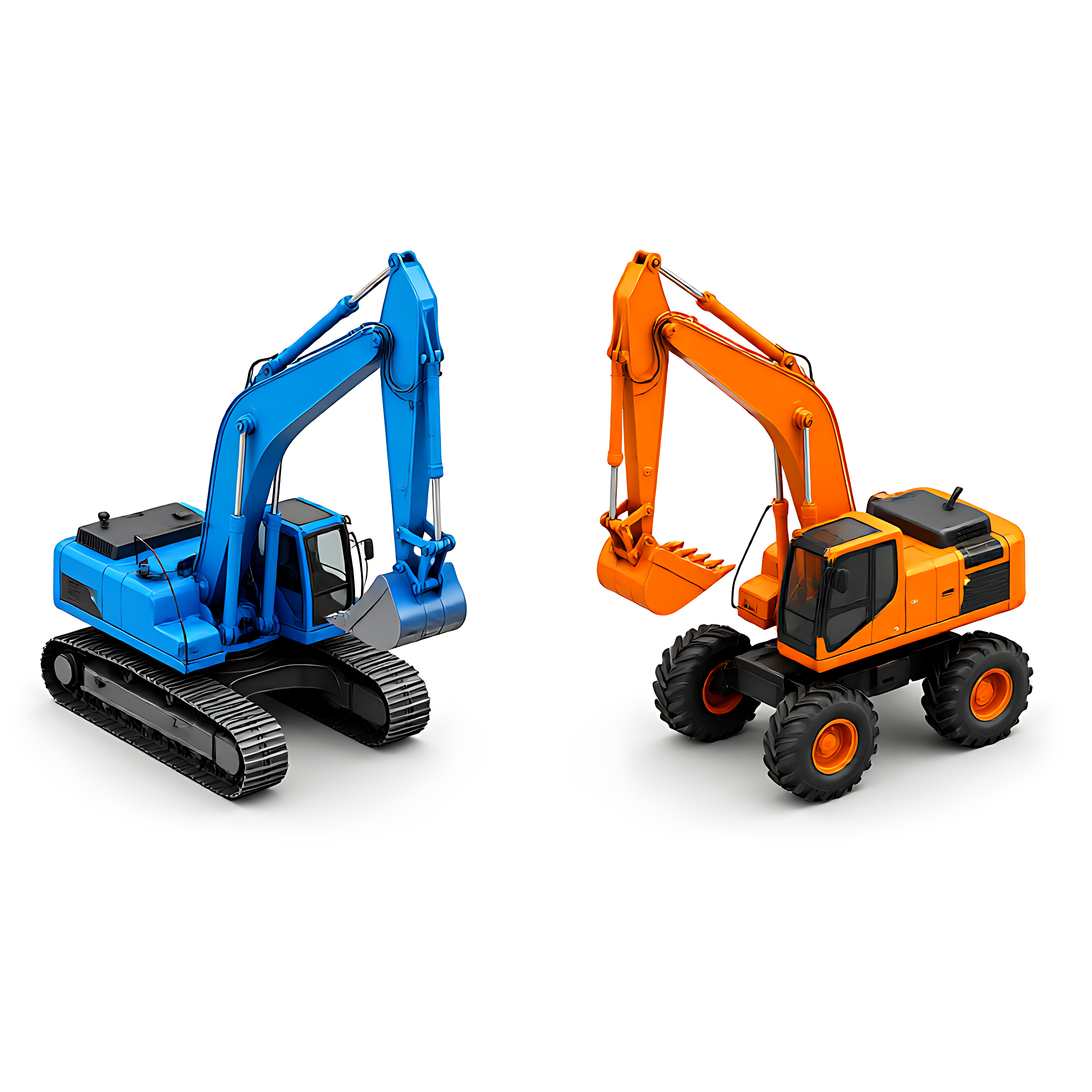
Easy rule of thumb: if the work stays on site, go tracked; if the work is on the road, go wheeled. If you need to protect the pavement but still want off-road ability, bolt rubber pads onto the tracks — or simply run one of each.
Before You Buy: Three Common Misconceptions
Does a bigger tonnage class mean more prestige? Each step up in tonnage drags transport costs, fuel burn and daily operating rates up with it. If a 10-tonner can do the job, there is no case for a 20-tonner — matching the machine to the working conditions is the optimal answer.
Obsessing only over digging depth? Dig depth is a nominal figure; in real work it is also constrained by swing radius, dump height and the site's load-bearing capacity. On a cramped site, no amount of digging depth gets used.
Reading "tonnes" as bucket payload? "Tonnes" refers to operating weight — the machine's weight in standard configuration, including fuel and attachments. Bucket capacity is a separate parameter entirely, and you need to look at both when selecting a machine.
A Five-Step Selection Method
Measure the constraints: doorway width, floor load capacity and turning radius set your maximum tonnage;
Work out transport: the machine's own weight determines trailer and licence requirements, and 7 t is the threshold most buyers run into;
Set digging depth: work backwards from trench depths and foundation excavation depths — enough depth is enough, no need to chase a larger class;
Choose attachments: breaker, ripper, grapple, auger — attachments define the machine's "second identity";
Run the total cost: fuel burn, attachment wear and service intervals, plus resale value after three years — residual value tracks directly with how liquid a brand is on the used market, so it's worth checking the pricing in Used Equipment Inventory Down 10%: Money-Saving Tactics for the Aftermarket before you sell.
For specific pricing and attachment configurations on small and mini excavators, contact our sales team — we will recommend a tonnage class for your working conditions and put together a tax-inclusive landed price proposal.