Used Equipment Inventory Down 10%: Aftermarket Cost Guide
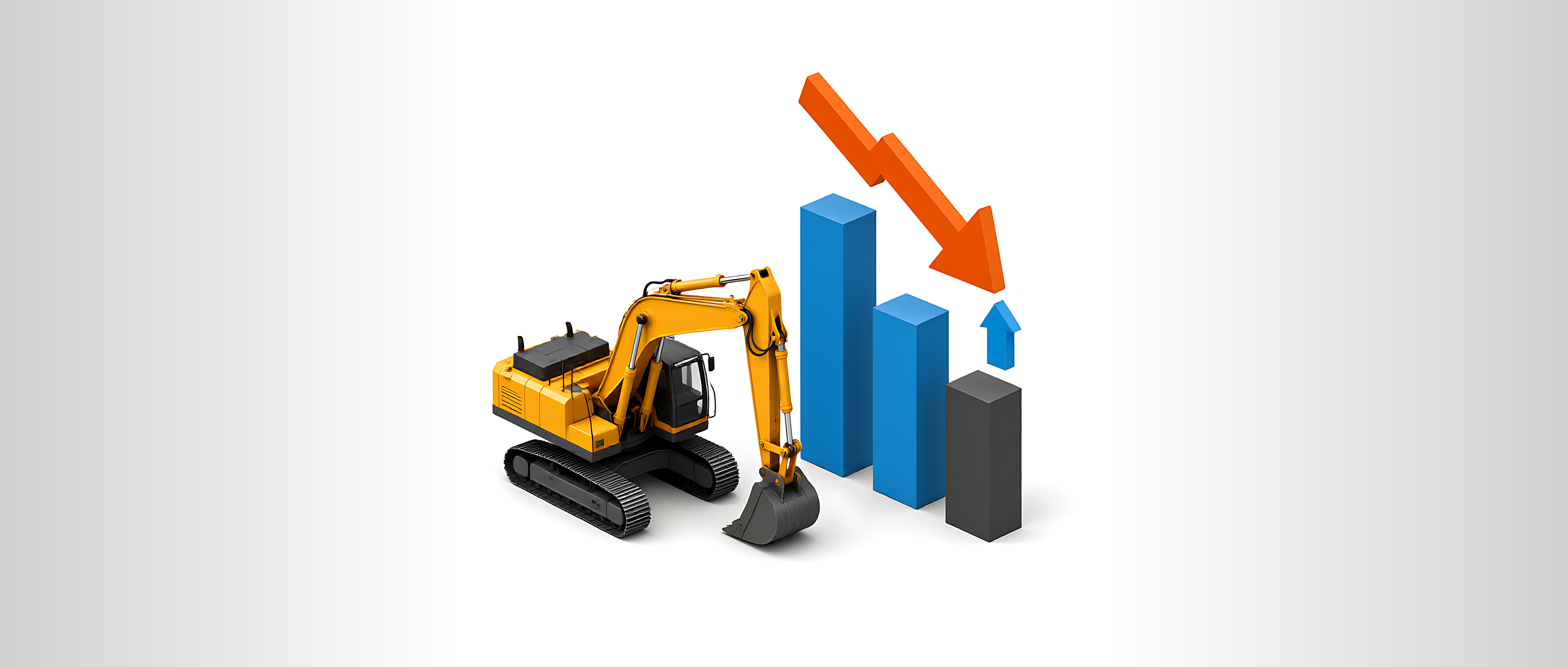
Sandhills Global, the U.S. information company, released its August used-equipment market report on September 4, and the numbers it contains look paradoxical at first glance: inventory keeps falling, yet prices barely move. Heavy construction equipment inventory slipped 10.45% year over year and 2.56% month over month; mid-size equipment inventory dropped 11.41% year over year in one fell swoop. Yet in the same month, heavy equipment asking prices rose just 0.52%, and auction prices were essentially flat. Tightening inventory combined with soft prices is a combination that was not common in the previous cycle — it means the buyer's side of the negotiating table has, for the time being, stayed where it is. At the same time, the European used-equipment market is heating up in lockstep, with the supply-demand gap widening steadily. With these two signals stacked on top of each other, the used-equipment and aftermarket business in the second half of 2026 deserves a fresh set of numbers.
1. Inventory Tightens Across the Board, Heavy Equipment Down 10.45% YoY

First, here are the core August figures (source: Sandhills Global, covering platforms such as MachineryTrader and AuctionTime):
| Equipment Category | Inventory MoM | Inventory YoY | Asking Price YoY |
|---|---|---|---|
| Heavy construction equipment | -2.56% | -10.45% | -1.55% |
| Mid-size construction equipment | +0.71% | -11.41% | -0.22% |
| Aerial work platforms | -2.02% | -3.75% | -2.73% |
| Telehandlers | -1.69% | -6.56% | -7.03% |
Within the individual categories, crawler dozers posted the largest month-over-month inventory decline in August, down 3.78%, while wheel loaders were the year-over-year decline champion, down 11.94%. Among mid-size machines, backhoe loader inventory plunged 23.52% year over year — the sharpest contraction anywhere in the construction equipment segment.
Persistent inventory drawdown shows that used equipment is not circulating any slower; there is simply less of it. For sellers this is good news, but for buyers it means the days of "pick whatever you like" are over.
2. Prices Have Not Kept Up: The Scissors Gap Between Asking Prices and Auction Prices

Falling inventory with flat prices is the genuinely interesting part of this data set.
In August, heavy equipment asking prices edged up 0.52% month over month but were still down 1.55% year over year; auction prices rose 0.31% month over month and fell 1.29% year over year. Down at the individual model level, crawler excavator asking prices fell 3.58% year over year and auction prices fell 2.6%, the steepest declines in the heavy segment. In other words, supply is shrinking, yet excavator prices keep drifting lower.
The reversal for telehandlers is even more dramatic: in August 2025 its inventory had risen for 30 consecutive months, running 20.96% higher year over year; one year later, inventory had flipped to a 6.56% year-over-year decline, with asking prices down 7.03% year over year. Aerial work platforms have now logged a fourth consecutive monthly auction-price decline, with overall auction prices down 6.36% year over year — including telescopic boom platforms, down 8.67% in the month and 11.51% on the year.
This scissors gap points to a very direct conclusion: excavators and aerial work platforms are the two categories with the most buyer negotiating room right now. Meanwhile, wheel loader auction prices bucked the trend with a 1.01% month-over-month rise, suggesting its bottom may already have arrived first.
3. Europe Heats Up in Lockstep as the Supply-Demand Gap Widens
Now turn to Europe. A report published by Ritchie Bros. in August showed that demand for used equipment in Europe surged in the second quarter, with the supply-demand gap widening steadily — buyers are scrambling for machines, but there is not enough equipment available. Another set of European market data is even more striking: demand for used tractors surged 72% year over year, and the market is shifting from a buyer's market to a seller's market.
The appearance of "falling inventory, rising demand" in both Europe and the United States at the same time comes down to the same underlying logic: longer new-machine lead times and higher equipment prices push budget-sensitive contractors toward used iron; meanwhile, machines sold at the peak of the last cycle are entering their replacement window, so high-quality used units are being locked in ahead of time. Chinese manufacturers are also mining this chain through used-equipment exports and remanufacturing (see The Rise of Construction Machinery Remanufacturing: How Much Can Refurbished Parts Save You?).
One caution: strong overseas demand does not mean domestic used equipment will rise as well. China's construction machinery market is still in a recovery phase, and the transaction cycle for used excavators has lengthened noticeably — dealers generally report more cautious buyers and longer decision times. Economic uncertainty is the main factor stretching out sales cycles, and that point is shared by markets at home and abroad.
4. Three Practical Moves for Buyers
Against the August data, there are three actionable conclusions:
It's time to start negotiating on excavators. Crawler excavator asking prices are down 3.58% year over year and auction prices down 2.6%, making them one of the few heavy-equipment categories where prices are still falling. Inventory is shrinking, but prices have not yet reflected the tight supply — this window will not stay open forever.
Telehandlers and aerial work platforms are the overlooked bargains. Telehandler asking prices are down 7.03% year over year and aerial work platform auction prices down 6.36%, declines that clearly outpace the inventory drawdown — a classic case of "falling prices on shrinking volume," and the biggest bargain-hunting potential.
Don't let "tight inventory" pressure you into overpaying. Dealer reports show rental demand remains strong, but used-equipment transactions themselves are slowing. A 10% drop in inventory does not mean you must close immediately. There is still room to negotiate the payment terms and the timeline.
Before buying a used machine, run your inspection checklist once: five hard metrics can screen out most of the traps (see How to Buy Used Equipment Without Getting Burned: 5 Hard Metrics That Reveal True Value).
5. Aftermarket Is Where the Real Cost of Ownership Hides
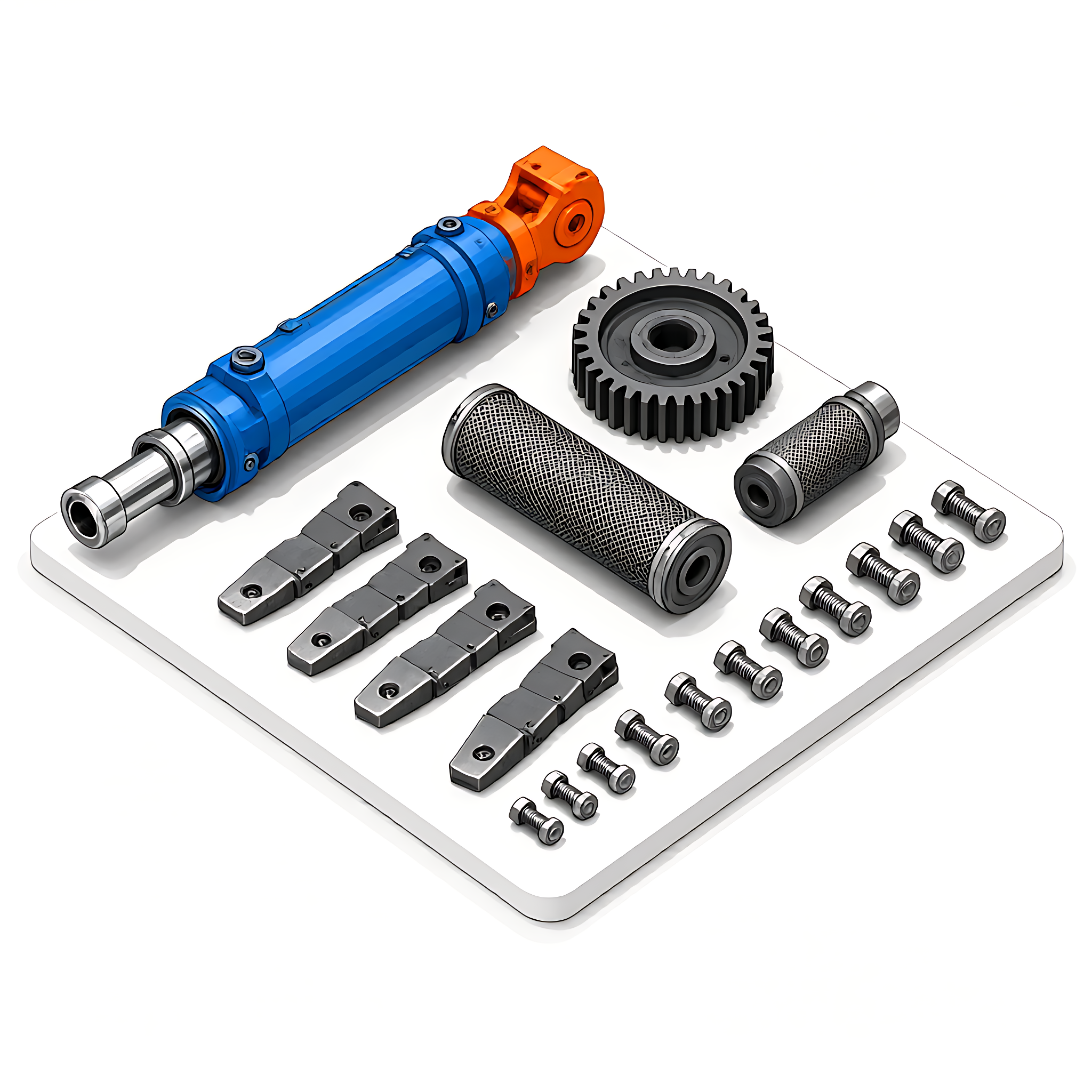
Buying a machine is a one-time expense; what actually eats into profit is the maintenance, parts and service over the following years. That is precisely why the aftermarket has attracted so much attention in recent years.
Several signals are worth watching. On October 7, Volvo Construction Equipment launched a completely new service contract portfolio, packaging maintenance and repair into predictable fixed costs — essentially helping machine owners convert uncertain repair costs into a budgeted line item. Remanufactured parts (Reman parts) offer another path to cost savings: substituting refurbished parts for new ones can meaningfully lower total cost of ownership (TCO) over the machine's life.
Parts distribution is also consolidating. In August 2026, Multi Parts Solutions announced the acquisition of HKX, formally entering the construction machinery parts market — the boundary between independent parts distributors and OEM parts is blurring, giving machine owners more channels to choose from. Looking further ahead, bauma CHINA 2026 has created a dedicated exhibition area for attachments and wear parts, putting the "many faces of the work front" on the main show floor (see bauma CHINA 2026 Opens Soon: A Preview of the 400,000 sq m Two-Hall Highlights).
In day-to-day operation, the three levers for controlling aftermarket costs remain the same: perform preventive maintenance on schedule instead of fixing things after they break, consider remanufactured parts for non-critical assemblies, and use service contracts to lock in major overhaul spending. A machine's service life is, to a large extent, determined by how well these three things are handled.
6. Closing Thoughts
The picture painted by the August data is not complicated: used-equipment inventory is tightening, but prices have not moved up in step, while demand in Europe and the United States is rising at the same time. For buyers, this means the negotiating window is still open — especially for excavators and aerial work platforms. For sellers, supply is becoming scarce, and quality used units do not need to be sold at a discount. For the industry as a whole, the value of the aftermarket is still being re-rated — parts, service contracts and remanufacturing, businesses once written off as "after-sales," are becoming the main battlefield for profit.
If you need used-equipment valuations, full-machine quotes or parts solutions, please contact our sales team; we will recommend a specific configuration based on your working conditions.
EquipNode - Global construction machinery sourcing and aftermarket partner.