Reactive Repairs Cost 3x More: The Construction Equipment Aftermarket Cost Book
The older a machine gets, the more it costs — but not necessarily. Get the aftermarket ledger straight, and the money one excavator can save is usually far more than you'd expect.
Why the Aftermarket Grew First
Parts and used equipment are the most certain source of growth in this industry. The global used equipment and parts market outlook published by IndexBox in September 2026 gives a baseline forecast: a 4.8% CAGR from 2026 to 2035, with the market index reaching about 158 by 2035 (2025 = 100). Business Research Insights, working on a narrower scope, puts the heavy equipment parts market at roughly $60.07 billion in 2026, rising to $102.68 billion by 2035, a compound annual growth rate of 5.4%.
The domestic denominator is even larger. According to China Construction Machinery Association data and Dongwu Securities' estimates of the equipment base, China had about 1.52 million excavators in service in 2024; even under pessimistic assumptions for the property market, that number will still climb to roughly 1.87 million by 2030. The more machines are in the field, the bigger the pool for repair, parts, refurbishment and used-equipment trading. If you want to browse models currently for sale, start with our used equipment catalog.
The First Ledger Entry: Fix It After It Breaks, Pay 3 to 5 Times More
The conclusion of the US Construction Industry Institute is cited repeatedly in Volvo CE's TCO article from October 2026: reactive repair costs 3–5 times as much as preventive maintenance. That multiple is not a labor-rate difference — it is the total once downtime and lost work, rush premiums on emergency parts, secondary damage, and the productivity loss of rushed jobs are all counted in.
The second number is the time window. Volvo CE's advice: for mining and quarrying equipment running 24 hours a day, once it reaches the 8,000–10,000 hour range, the engine, transmission and main hydraulic pump enter a concentrated failure period. By the time it stops on its own, teardown, outsourced repair and reassembly can easily take weeks.
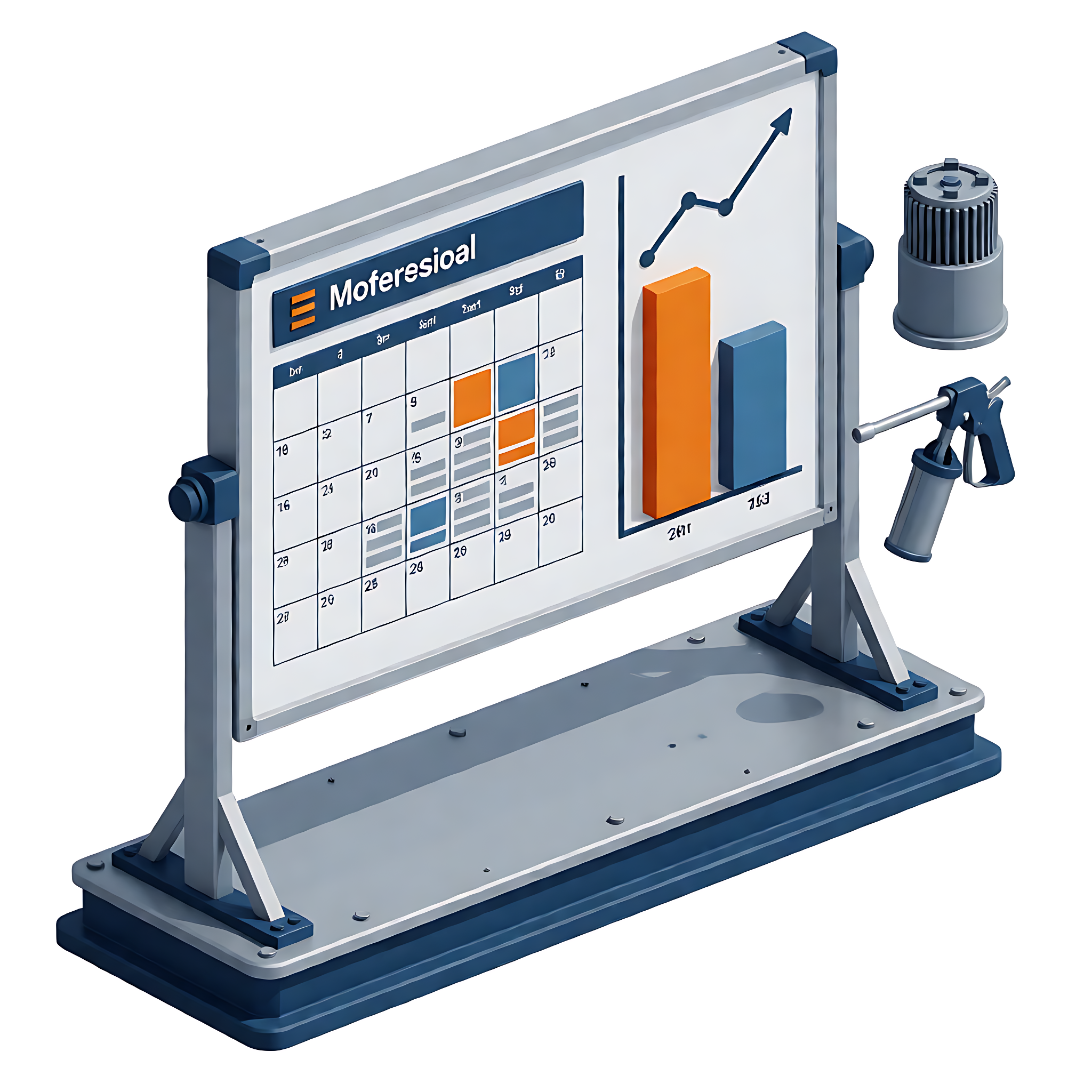
Maintaining on a schedule versus repairing after a breakdown can differ by a factor of 3–5 in cost within the same year. The three most basic milestones:
- 250 hours: engine oil, oil filter, air filter, clearing packed dirt from the undercarriage
- 500 hours: hydraulic oil filter element, swing reducer oil, track tension
- 1000 hours: hydraulic oil sampling for iron content, wear measurement of track rollers and carrier rollers
For a scheduling method tailored to actual working conditions, continue with our earlier practical guide to preventive maintenance.
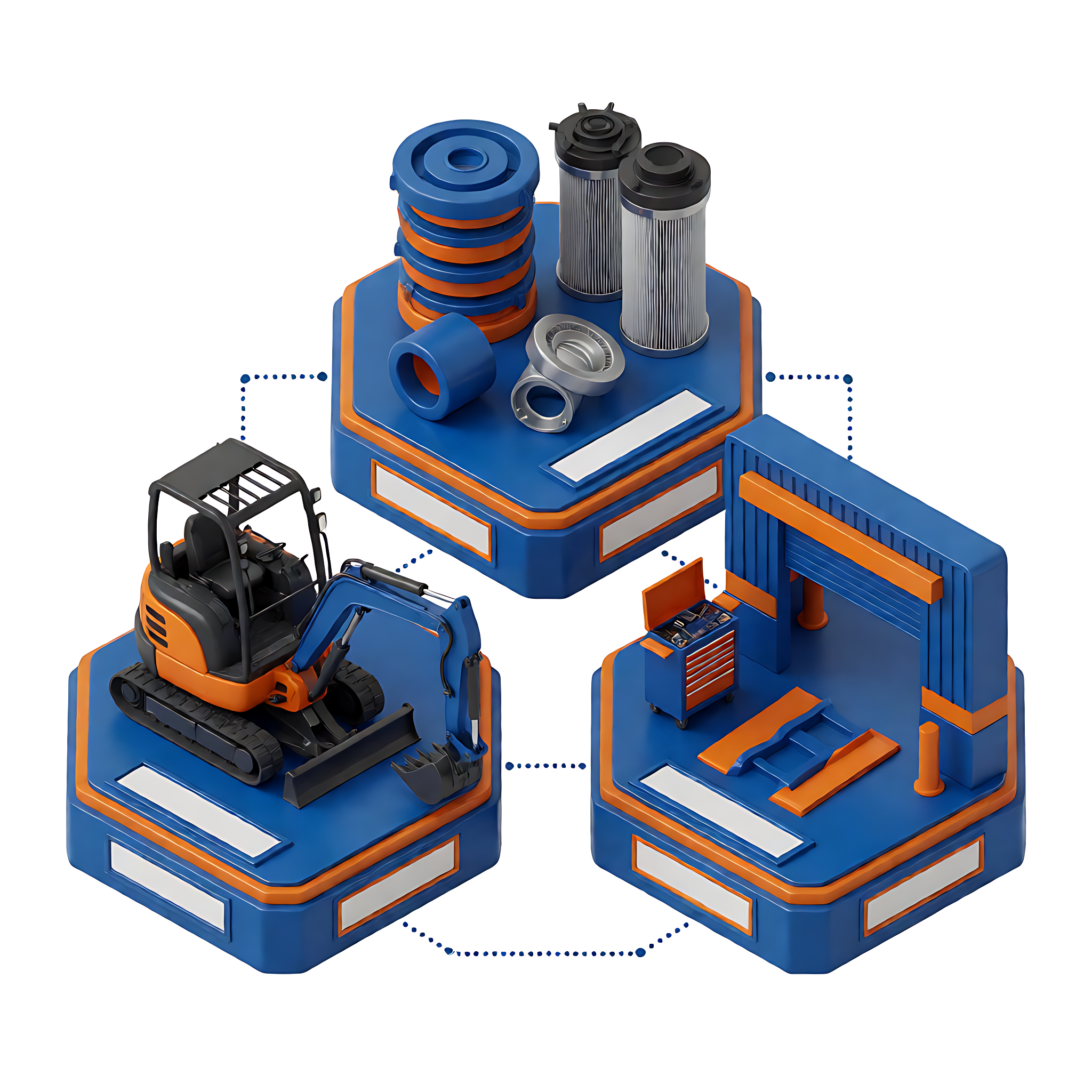
The Second Ledger Entry: OEM Parts, Aftermarket Parts, Remanufactured Parts
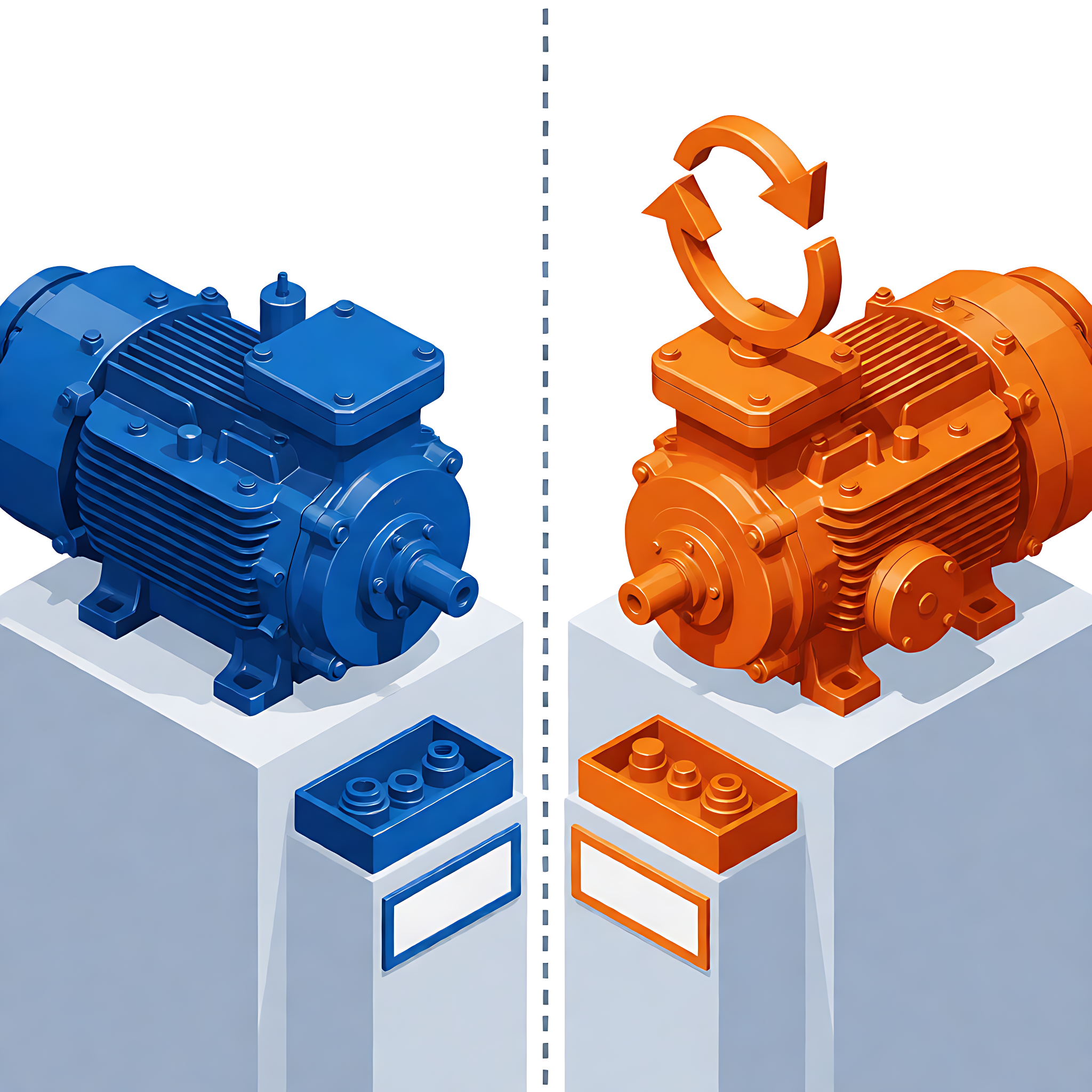
Many people confuse "remanufactured" with "refurbished" — the most expensive misunderstanding in the aftermarket. Remanufactured means rebuilt to the original blueprints: all worn parts are scrapped and replaced, dimensional tolerances are re-inspected to factory standards, and performance and service life are benchmarked against new parts; refurbished only means the broken areas have been repaired, with unpredictable service life.
Volvo Reman's public figures: a single component reuses up to 85% of its original material, manufacturing energy use is 80% lower than for a new part, and it comes with a 3-year / 5,000-hour warranty on the complete component (labor included). Its value lies not in the word "savings" but in swapping parts without downtime — exchange the component directly at the dealer, bolt it on and go, instead of waiting weeks for a machine to sit in the workshop.
At the machine level the math is even more direct:
- A full remanufacture of a 30-ton-class loader costs about 50%–60% of a new machine of the same specification
- For small equipment that ratio rises to 70%–80%, which usually makes buying new the better call
- Spending 50% of replacement value to get 10,000 hours of reliable output is the most economical use of full-machine remanufacturing
One-line decision rule: remanufacture big machines, buy new small ones, use remanufactured parts for mid-life repairs.
The Third Ledger Entry: Undercarriage Is the Money Pit
The track undercarriage (track shoes, track rollers, carrier rollers, front idlers, sprockets) accounts for an outsized share of full-machine overhaul cost, and it is also where aftermarket parts have penetrated fastest. When deciding whether to replace, don't just look at hours — look at three things:
Track rollers and carrier rollers: remaining rim thickness. Below 50% of a new part, replace in pairs
Track pins and bushings: fit clearance. Obvious climbing out of the sprocket or abnormal noise means the limit is reached
Front idlers and sprockets: check for one-sided wear on the tooth face — uneven wear means a tensioning or alignment problem, and replacing parts alone only treats the symptom
Undercarriage is where aftermarket parts give the best value: simple load-bearing structures, mostly standard parts, and the OEM premium is usually above 50%. Main hydraulic pumps and multi-way valves are the opposite — go OEM or remanufactured channels only.
Avoiding the Trap: How Deep the Used Equipment and Refurbished Parts Market Really Goes
In April 2026, SANY Group worked with law-enforcement authorities to break up a trademark-infringement and counterfeiting case. The starting point of the lead was blunt: since January 2025, a batch of marketing accounts on online platforms had been selling "like-new excavators" at ultra-low prices — in reality, a scam. The usual tricks on machines like these: assembled wrecks with altered nameplates, hour meters reset to zero, and accident-damaged structural parts welded over and then repainted.
Over the same period the industry was raising prices. In early 2026, SANY, XCMG, Zoomlion, LiuGong and others successively issued product price-adjustment letters; in March Caterpillar added a 3%–5% surcharge on some models and raised it another 4%–7% in July; Komatsu raised excavators 7% and loaders 8% in February, then applied a uniform 5% increase across its full construction lineup in August. As new-machine prices climb, the value gap for used and remanufactured equipment widens further.
When inspecting a machine, watch at least these five things: production date versus nameplate, iron content in the hydraulic oil, remaining dimensions of the four undercarriage wheels, engine smoke and cold start, and internal leakage tests on the swing and travel motors. If you're not sure, don't gamble — the repair bill on an assembled wreck is enough to buy half a normal used machine.
To understand how this round of price increases affects purchasing timing, read it alongside electric excavators push into the 50-ton class, which covers the changing new-machine cost structure in more detail.
Applying the Ledger to Your Own Equipment
Put the three ledgers together and the action sequence is short:
Schedule maintenance first — write 250/500/1000 hours into the machine calendar and cut off the most expensive 3–5x cost driver
Then settle the parts channels: aftermarket for undercarriage wear parts, OEM or remanufactured only for pumps and valves
Only then consider replacing the machine: full remanufacturing for big machines, new for small ones, and always inspect used machines before buying
For used equipment pricing on specific models or information on remanufactured parts supply, feel free to contact our sales team — we'll recommend a configuration based on your working conditions and budget.