November Machinery Launches: 250-Tonne Electric Excavator and Autonomous Roller Kit
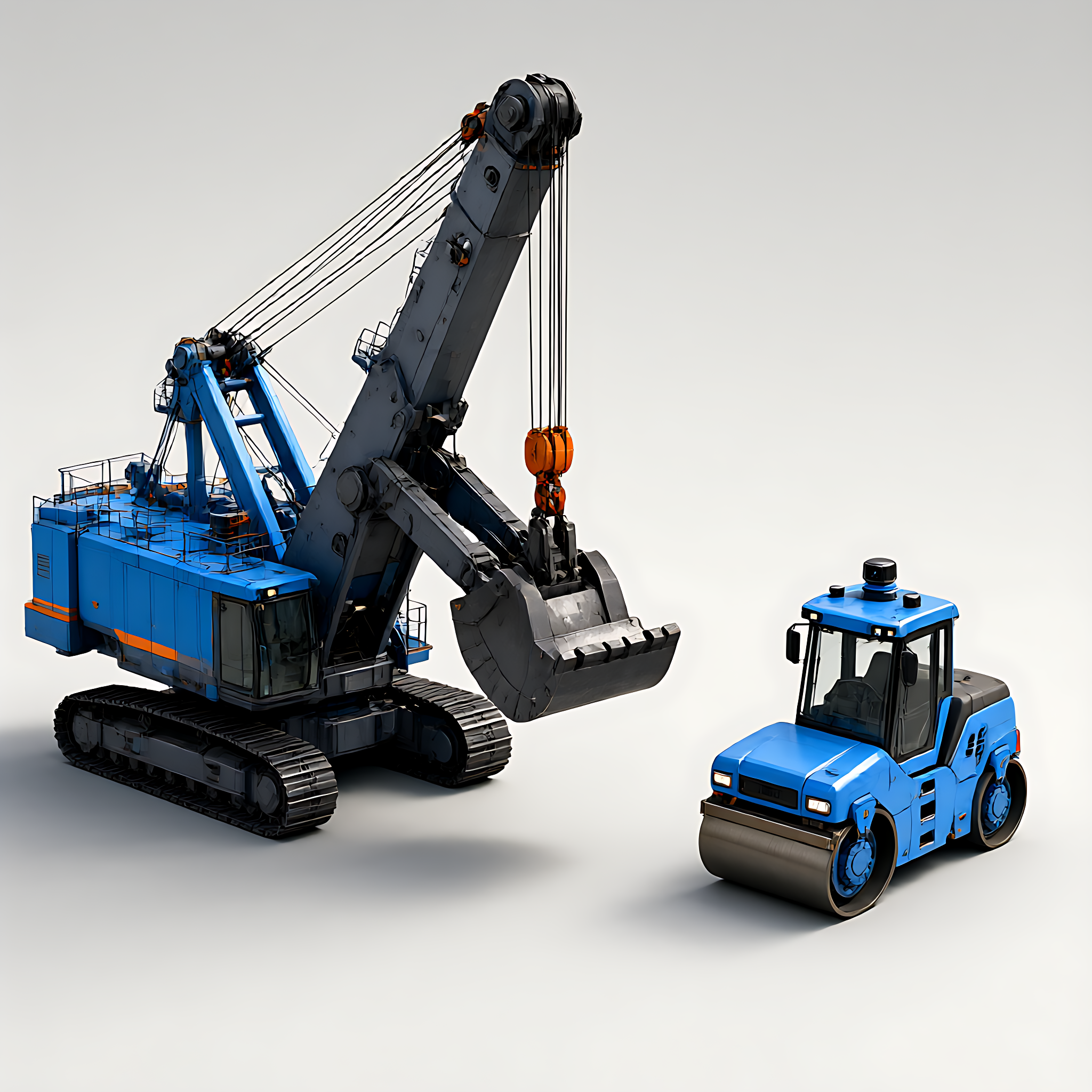
In the first week of November, two new-product announcements landed at the same time: Liebherr released the 250-tonne-class fully electric mining excavator R 9300 G8-E (November 6, reported by Electrek), while startup Bluelight pushed the price of its Autopilot autonomous roller operating kit below $50,000 (November 4, reported by Equipment World). One swaps out the "power", the other installs the "brain" — the two routes happen to sketch out the full landscape of 2026 construction machinery new-product competition.
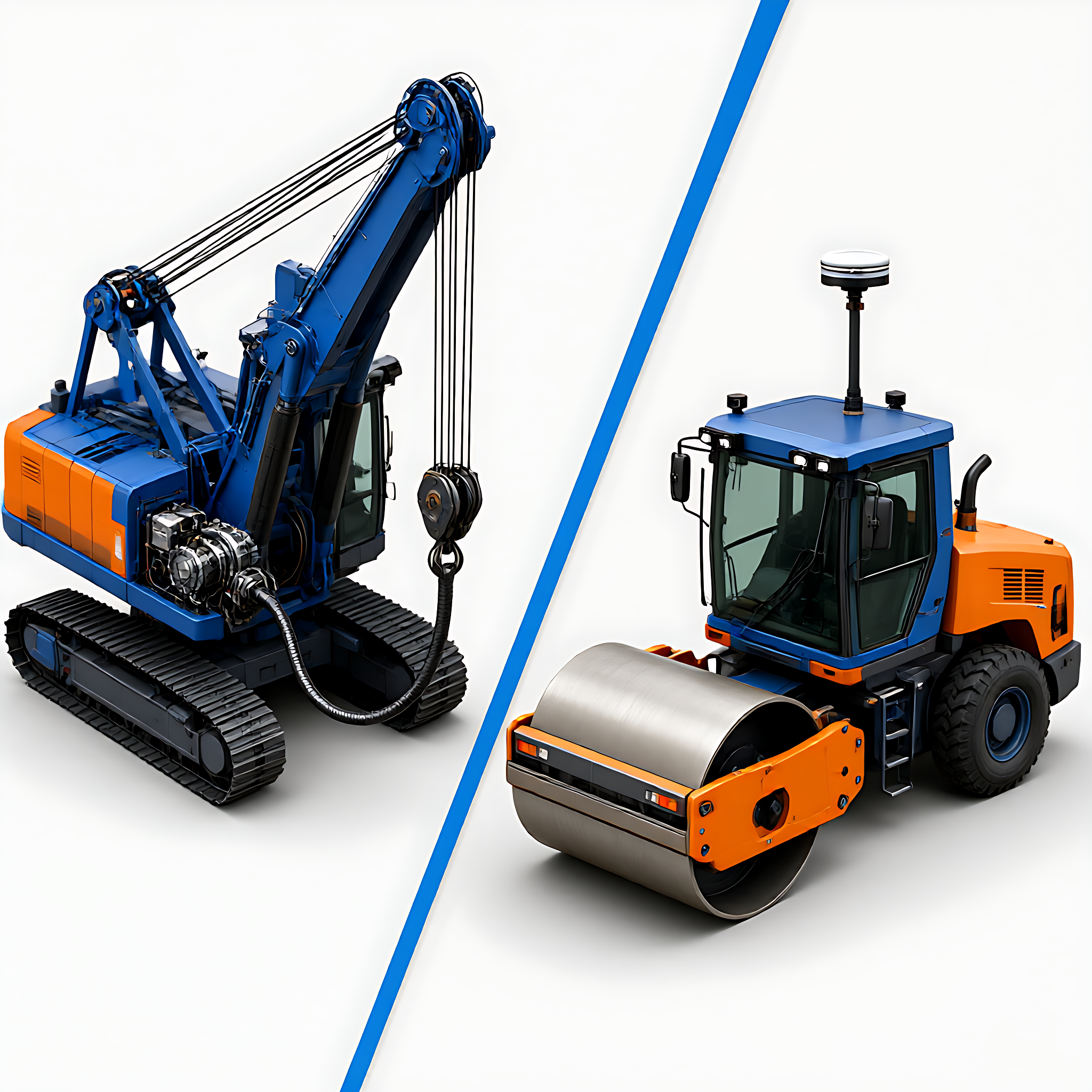
Liebherr R 9300 G8-E: 250-Tonne-Class Electrification Enters Mass Production
The specs of this machine are worth going through item by item. The R 9300 G8-E is developed on the proven R 9300 G8 platform; its electric drive system delivers 850 kilowatts (about 1140 horsepower), is designed to IEC standards, and supports 6-6.6 kilovolt high-voltage supply; bucket capacity is 1.8 tonnes per cubic metre — exactly the same as the diesel version. Liebherr has explicitly promised that hydraulic capability and bucket capacity take "no hit", which are the two things mining customers care about most.
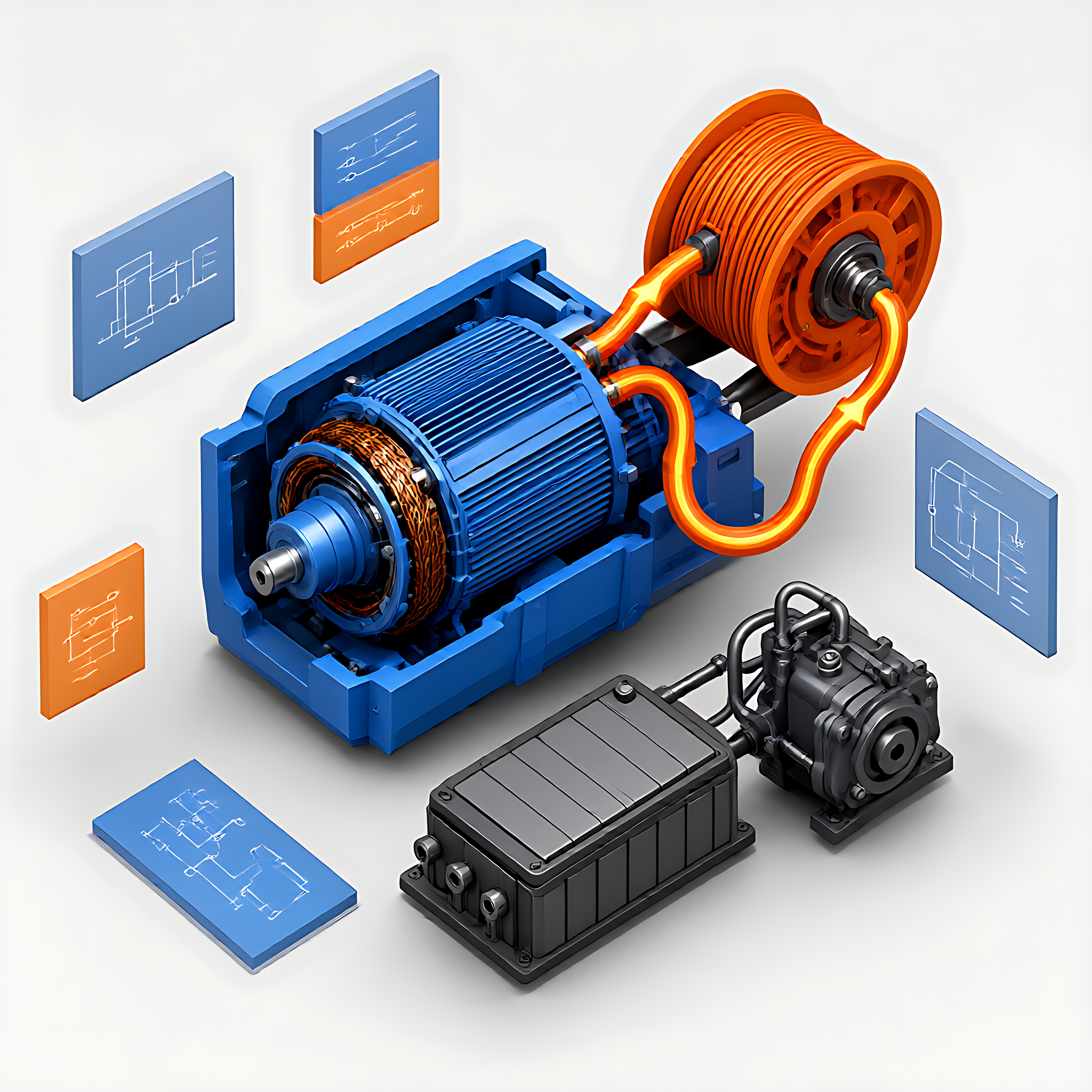
Its working logic differs from ordinary electric equipment: the machine carries a battery but mainly runs on grid power, so as long as the mine site's electricity doesn't go out, it can work continuously around the clock, completely sidestepping "charging waits" — the biggest efficiency pain point of electric equipment. Previously, in 2024, Liebherr had already done a small number of diesel-to-electric conversions; several million dollars in fuel and maintenance savings validated the economics, and this time the validated results are being turned into a regular mass-production model.
The smart configuration is equally complete: the Generation 8 electronic architecture is compatible with the IoMine product line, including semi-automatic Bucket Filling Assistant, the Skyview vision system and the Data View data-visualization tool; an autonomous cable-winding option is also available, solving the cable management problem when electric equipment moves around the site. The official list of benefits also includes: reduced maintenance workload from the sharp decrease in moving parts in the drivetrain, reduced operator fatigue from lower cab vibration, and an improved mine-site working environment from zero emissions and low noise.
Bluelight Autopilot: $50,000 to Let the Roller Work by Itself
The other route is "lighter". Bluelight's Autopilot is a retrofit autonomy kit, currently compatible with Caterpillar CW16 and CW34 nine-wheel pneumatic-tire rollers; hardware, subscription and training are bundled below $50,000, with three options — purchase, subscription or rental — installation takes under 2 hours, and over 90% of parts are shared with the company's existing soil-compaction and articulated-dump-truck kits.
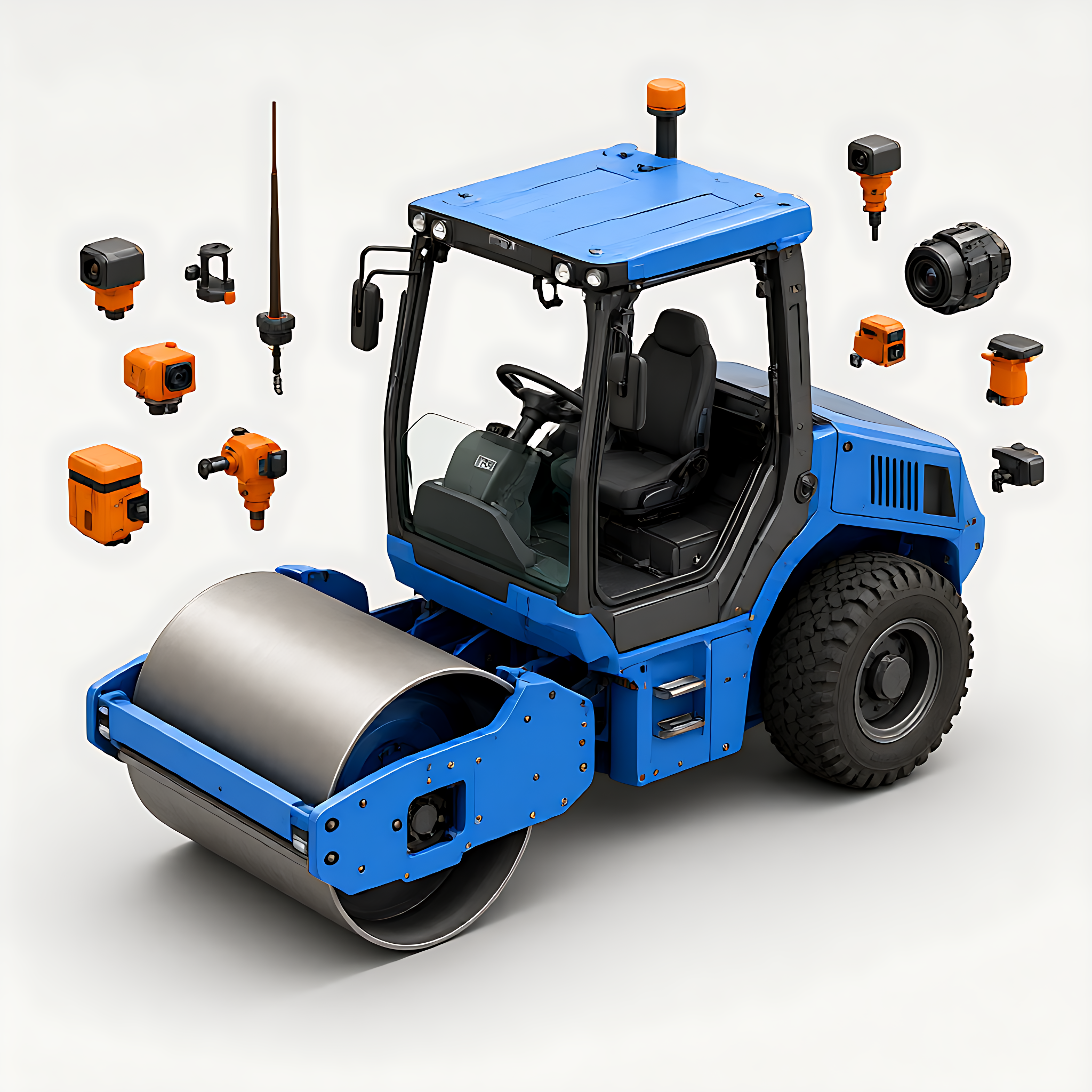
The technical approach is RTK GPS plus front and rear cameras and on-vehicle AI, combined with electronic steering control; it can recognize people, vehicles, heavy equipment, cones and stakes. The operator sets the rolling corridor, speed, overlap, number of passes and distance to the paver on a browser-based device, and the system executes accordingly. Bluelight emphasizes that it is an "extension of the operator on the job site" rather than a replacement; a roller fitted with the kit can still be driven manually.
The deployment numbers are already persuasive: the kit is deployed on nearly 200 machines at over 300 job sites in 11 countries, with a cumulative 1.9 billion square feet of soil compacted autonomously, zero injury incidents, and over 100,000 cumulative safety stops triggered. Customers include Granite (Arizona) and C.W. Matthews (Georgia's I-285 widening and reconstruction, the state's largest paving project); the company claims the kit can boost productivity by up to 14%.
From Swapping Power to Swapping Brains: What the Two New-Product Routes Have in Common
Look at the two new products together, and the 2026 new-product competition is already no longer a single-dimension arms race.
- The main battlefield of electrification has expanded from earthmoving machinery to ultra-large mining excavators. Previously the sweet spot for electrification was concentrated in loaders — in October 2026 the domestic penetration rate of electric loaders reached 64.1%, while the domestic penetration rate of electric excavators over the first 10 months was still under 1%, see Electric loaders take 64% of domestic sales: the other side of the Golden October data. The R 9300 G8-E shows that machine makers have begun attacking mining, the hardest fortress: not by stacking battery capacity, but by combining the mine's power grid with an auxiliary battery.
- The threshold for autonomy has dropped from "buying a whole machine" to "installing a kit". Caterpillar's and Komatsu's driverless haul-truck routes require million-dollar-level investment, while a $50,000 retrofit kit lets existing equipment upgrade too. The underlying logic of this route and "Caterpillar net profit up 43%: the AI infrastructure wave rewrites the construction machinery landscape"'s "AI infrastructure drives equipment demand" are two sides of the same thing: hardware makes money, and software and data decide who makes more.
- The intersection of the two is data. Electric equipment naturally generates complete energy and operating-condition data, autonomous equipment generates complete route and safety data; whoever controls these data gets the first move in pricing the next generation of equipment and assessing residual value.
Implications for Buyers and Chinese Brands
For equipment buyers, there are three conclusions usable in the short term: first, electric mining excavators have entered the purchasable stage — when evaluating, focus on mine-site power supply capacity, continuous operating hours and full-lifecycle fuel cost rather than the machine's purchase price; second, retrofit autonomy suits contractors who "already have the equipment but lack operators", with repetitive work such as rolling and dozing benefiting first; third, kit selection should look at safety records and incident data — the public figure of 100,000 safety stops is more persuasive than any marketing.
For Chinese brands, we are not behind on electrification — Sany, XCMG and Zoomlion are keeping pace internationally with their product cadence on electric loaders and electric excavators, and whole-machine selection topics such as concrete pump truck selection also show that domestic customers have entered a stage of fine-grained comparison. The real gap lies in the two directions of ultra-heavy-class electric mining equipment and low-cost autonomy kits: the former needs long-term investment in electrified machine platforms, the latter needs engineering capability in perception, algorithms and scaled deployment. These two new products in November happen to mark the two entry points of the next round of competition.
If you need quotes and lead times for electric excavators, rollers or autonomy retrofit solutions, feel free to contact the EquipNode sales team — we provide one-stop procurement services for new machines, used machines and parts.