Liebherr Launches 850 kW Electric Mining Excavator in the 250-ton Class
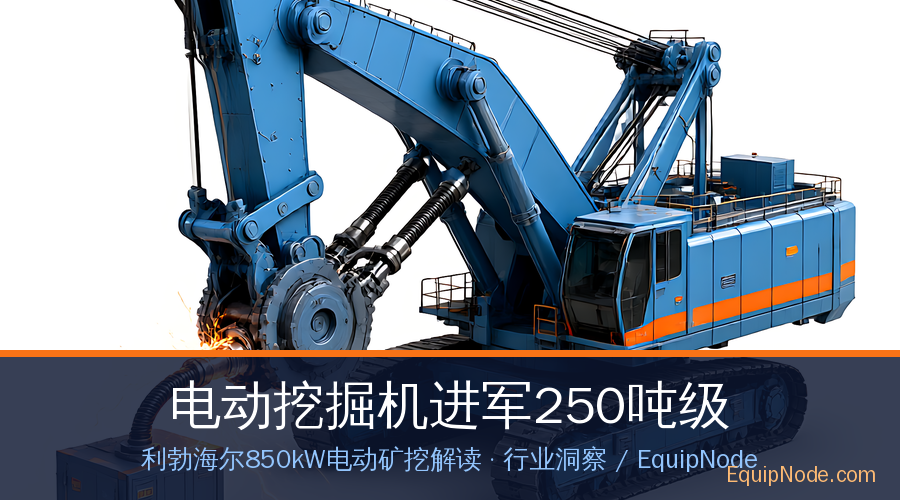
On November 2, 2026, Liebherr announced that the R 9300 G8-E electric mining excavator has completed validation and entered commercial sale. This 250-ton giant is no longer a prototype, nor a demonstration project running on a mine site — it is a mass-production model you can order directly, offered in both backhoe and front-shovel configurations. For an industry that has long tied "electrification" to "small tonnage and urban applications," this news carries real weight.
A 250-ton Machine, Plugged In
The R 9300 G8-E is developed on the proven R 9300 G8 platform, and Liebherr's positioning is unambiguous: productivity fully on par with the diesel version. The same hydraulic power, the same 1.8 t/m³ bucket capacity — the only difference is that the power source changes from a diesel engine to an electric drive system.
In other words, electrification has, for the first time, achieved "no sacrifice in output" on a super-class mining excavator. Electric mining equipment had already seen earlier deployments, but a 250-ton electric hydraulic excavator entering series commercial production is still a landmark milestone.
How Solid Is the Diesel Version's Foundation
To understand what the electric version changed, start with the diesel R 9300 G8's specifications. This is Liebherr's 250-ton class mainstay replacing the older R 9250:
| Parameter | Diesel R 9300 G8 | Electric R 9300 G8-E |
|---|---|---|
| Operating weight (backhoe) | 252 t | Same 250-ton class |
| Drive power | 1,007 kW (1,350 hp) @1,800 rpm | 850 kW electric drive system |
| Bucket capacity (1.8 t/m³) | 16.5 m³ | Same bucket capacity and hydraulic power |
| Power source | Diesel (Tier 4f / Stage V) | High-voltage electric in 6 kV / 6.6 kV options |
| Direct emissions | Yes | Zero direct emissions at point of use |
| Working attachments | Backhoe / Shovel | Backhoe / Shovel |
The diesel version is not thirsty — thanks to Liebherr's in-house Power Efficiency (LPE) engine and hydraulic management system, it saves 15% fuel compared with the previous generation. The electric version pushes that logic one step further: LPE-Hydraulic Control comes standard, distributing hydraulic power in real time according to load and reducing overall machine load factors.
850 kW, 6.6 kV: What Actually Changed in the Electric Version
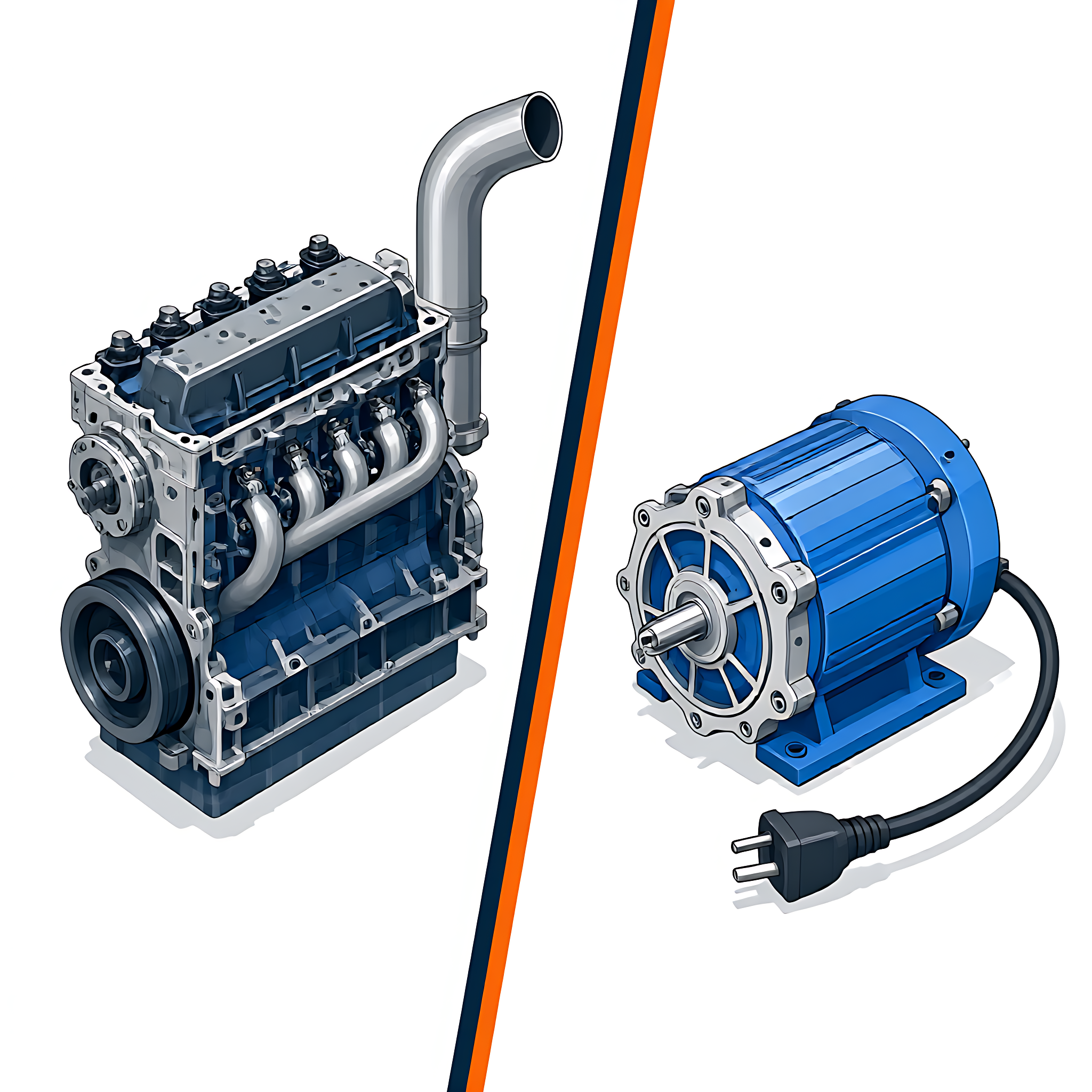
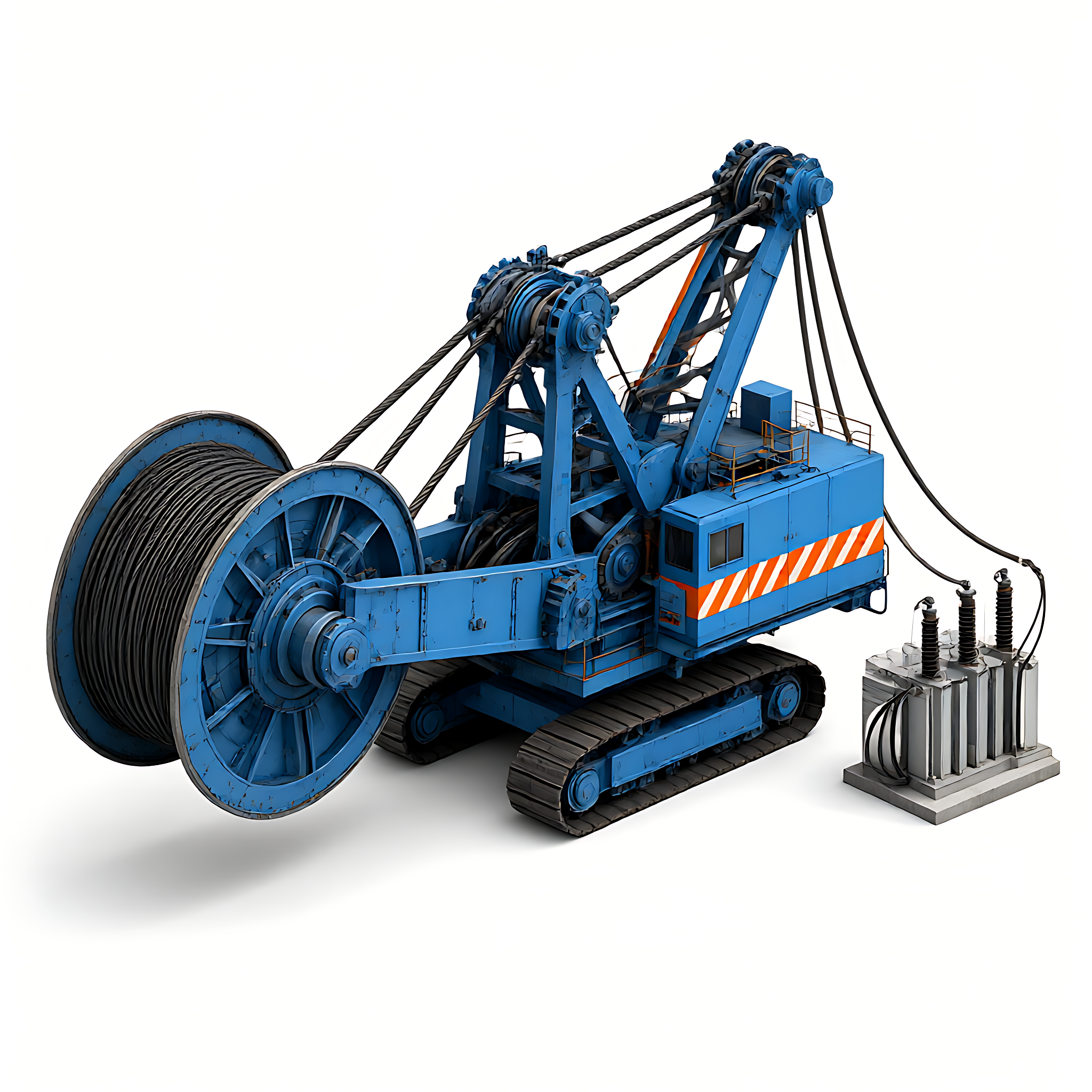
The core change is the 850 kW electric drive system, designed to IEC standards and available in 6 kV and 6.6 kV configurations. Mine sites typically have mature high-voltage power networks on hand, so tapping in directly is more stable than diesel resupply — especially in deep pits and fixed loading positions, where continuous power has a clear advantage.
Liebherr highlights several engineering details in particular:
- Zero direct emissions: no tailpipe at the point of use, which lowers ventilation costs in mines, tunnels and enclosed mining areas; actual carbon reduction depends on the site's power mix.
- Fewer components: the electric drive system does away with the diesel engine's fuel, intake, after-treatment and cooling chains, cutting maintenance effort and operating costs noticeably in certain duty cycles.
- Lower cab vibration: electric motors vibrate less than internal combustion engines, reducing operator fatigue over long shifts.
For buyers, the most practical question is total cost of ownership (TCO): the price gap between electricity and diesel, the one-time cost of expanding power capacity at the mine, and downtime losses from maintenance intervals — these three belong in the same table. For a clear breakdown of the structural differences between powertrain routes, the piece that dismantled the drivetrain logic of electric wheel loaders already walked through it once; the thinking for mining excavators is the same.
Intelligence Is Not Left Behind
The R 9300 G8-E carries Liebherr's Generation 8 electronic architecture and can connect to the IoMine technology ecosystem, including:
Bucket Filling Assistant (semi-autonomous): assists the operator with the bucket loading cycle, reducing dependence on experience;
Skyview vision system: eliminates blind spots on large-tonnage equipment;
Data View: presents operating data directly to the site and to management;
Automatic cable drum (optional): manages the power cable and supports machine movement within the working face.
An electric motor plus an electronic control architecture is naturally better suited to closed-loop data — a step in taking large-tonnage equipment from "machine" to "system." The piece on how excavators work covered the relationship between hydraulics and control; on an electric platform, the room for control only grows.
Electrification Is Rolling From Mini Excavators All the Way to Mining Excavators
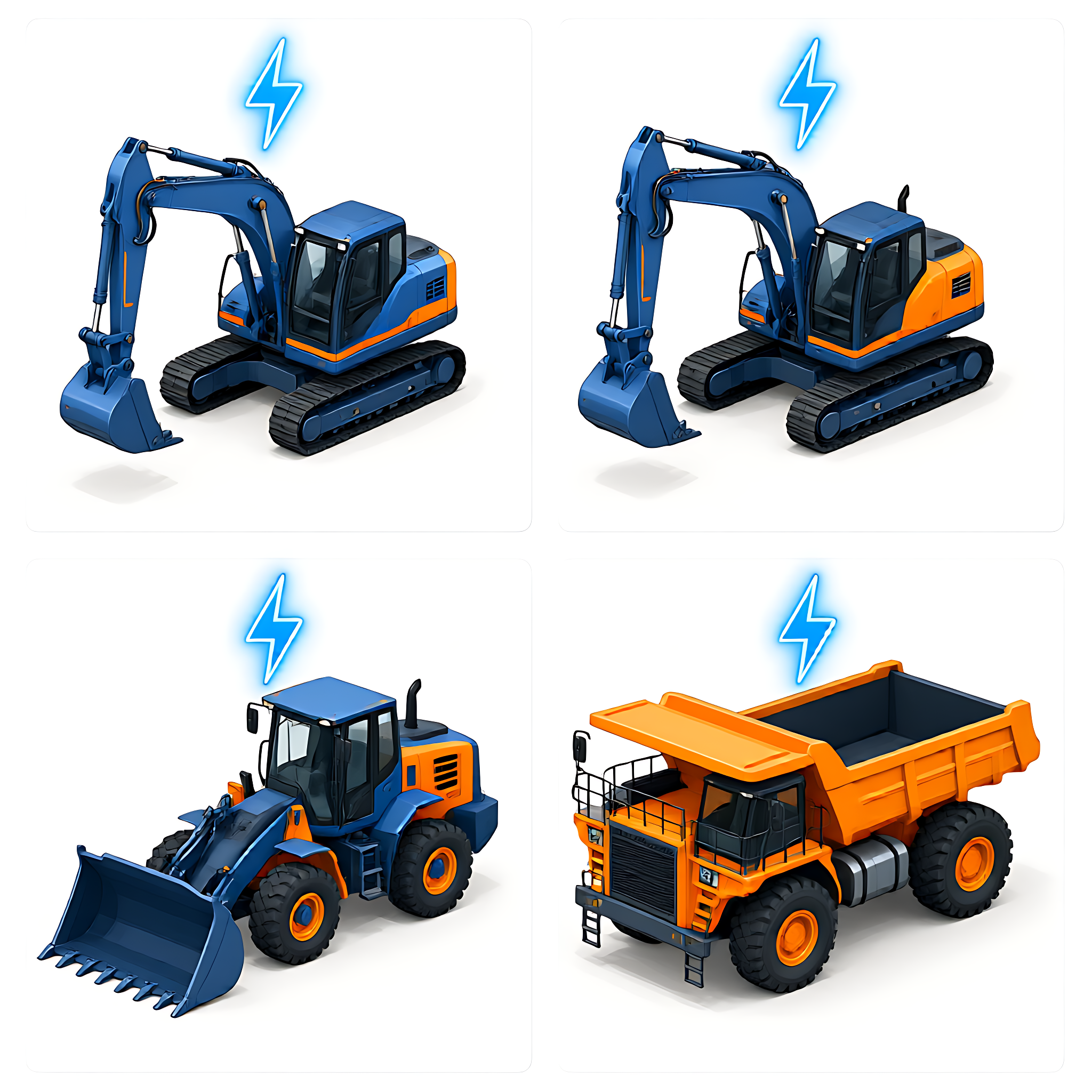
Pull the view back to the Chinese market and the curve is equally clear:
- XCMG showed six new-energy excavators at Xug-Fair 2026 — four battery-electric and two hybrid — covering the mainstream 1.9–75 ton range, with the XE27CR EV and XE215EV already in customer hands-on trials;
- Volvo CE's EC230 Electric 23-ton electric excavator and L120 Electric wheel loader have entered the North American market, with the next-generation models stacking electrification and intelligence on top of each other;
- bauma CHINA 2026 will be held November 23–27 in Shanghai, with its first "two halls in one show" (SNIEC + Shanghai New International Expo Centre), spanning 400,000 m² and nearly 4,000 exhibitors. Leaders such as XCMG and SANY have all listed new-energy and intelligent equipment as exhibition priorities, and LGMG has also previewed new mining equipment launches for the show.
From 1.9-ton minis to 250-ton mining excavators, the applicability boundary of electrification has been pushed wide open over the past two years. This points in the same direction as the judgment on overseas and new-energy double-wheel drive in the Q3 report.
Three Things Buyers Should Do Now
Recalculate TCO: the years a diesel machine can still operate in emission-restricted zones and the point at which an electric model overtakes it on cost belong in the same cash-flow table.
Check the power supply first: mines, tunnels and fixed stockyards are the sweet spot for electric equipment; frequent relocation and scattered jobs still favor diesel or hybrid.
Watch bauma CHINA 2026 at the end of November: a batch of domestic electric newcomers will debut together — comparison shopping and test windows both fall in those days.
EquipNode tracks global construction machinery electrification and new-model developments, offering full-machine supply and export services from mini excavators to large mining equipment. For the latest quotes and availability on electric excavators, SANY concrete pumps and other equipment, please contact our sales team — we will propose a specific configuration based on your working conditions, power supply and budget.