Electric and Autonomous Arrive Together: October 2026 New Models
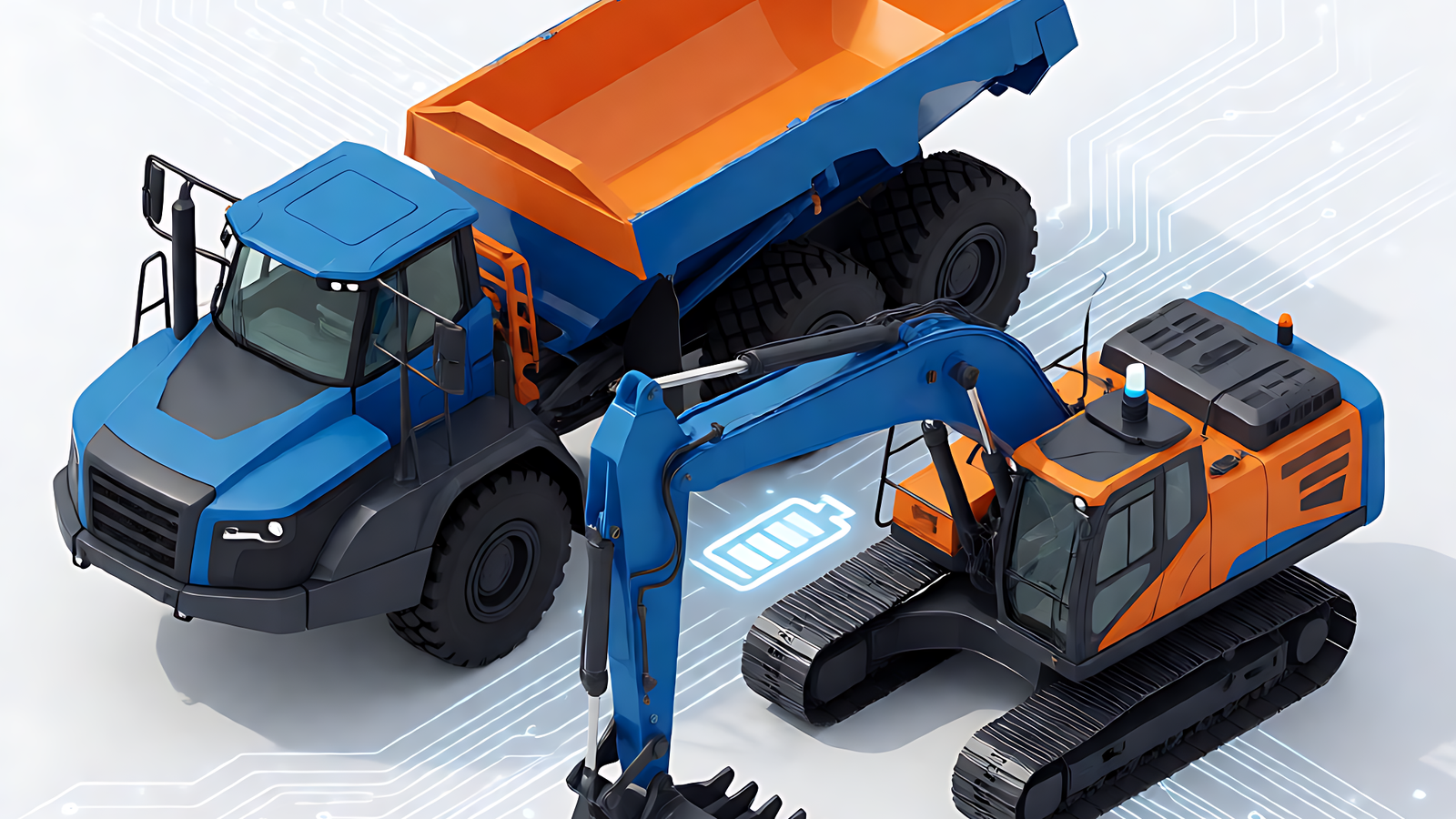
In October 2026, the density of new models in the construction machinery industry was noticeably higher than in the first half of the year. On one side, Volvo is putting electric articulated dump trucks onto the mass-production line; on the other, LiuGong is driving its driverless electric excavator onto CCTV's demonstration stage. Meanwhile, across the ocean, two startups that built their businesses on "retrofitting old excavators with autonomous driving kits" have gone in different directions: one has secured $200 million from SoftBank, and the other has already put its machines to work on real jobsites in Texas and Nevada.
Electrification and autonomy appeared mostly in product-launch slide decks over the past few years. This October, both entered the "delivery" stage at the same time. This article walks through the technical highlights of these new models along a timeline and explains their practical impact on purchasing decisions.
Volvo A30/A40 Electric: Electric Articulated Trucks Enter Mass Production
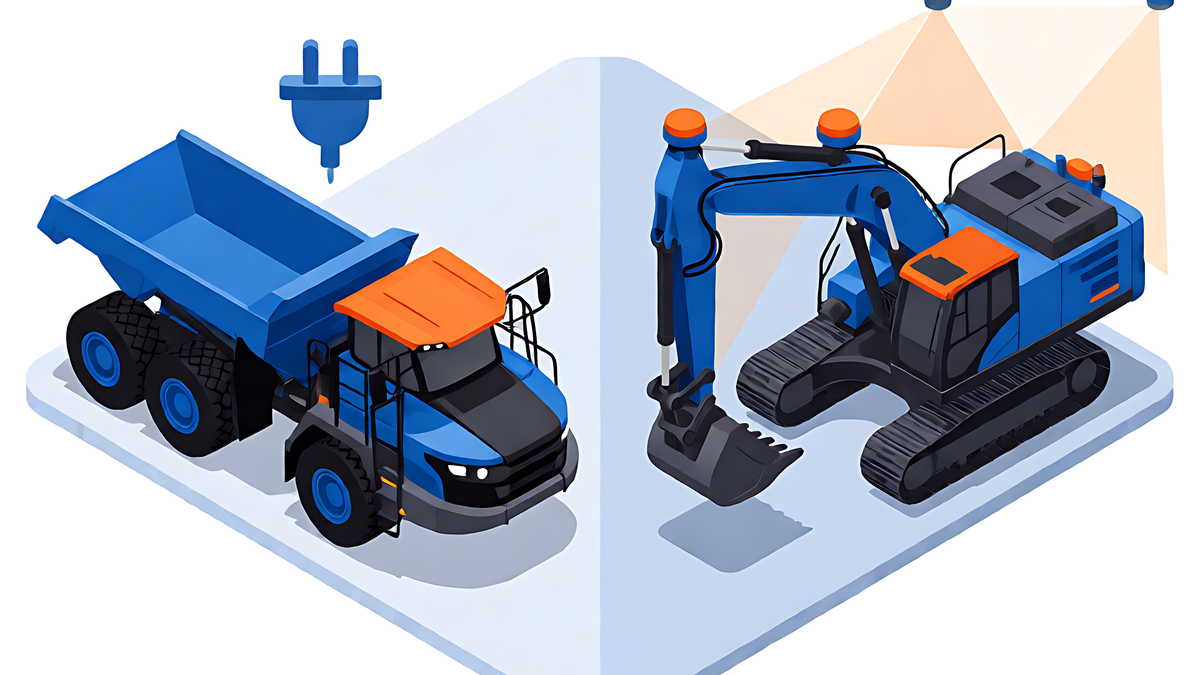
Volvo Construction Equipment launched mass production of the world's first electric articulated dump trucks in 2026 at its Braås plant in Sweden, with the A30 Electric and A40 Electric models carrying payloads of 29 tonnes and 39 tonnes respectively. Braås is precisely where the first articulated truck, "Gravel Charlie," was born in 1966, so the choice of site carries a clear signal in itself.
Articulated dump trucks are among the heaviest energy consumers on a jobsite: long haul cycles, loaded climbs, and rough terrain put far more demand on them than on small excavators or wheel loaders. Electrifying this class of machine is therefore much harder than electrifying smaller equipment — and its demonstration effect is that much stronger. According to Volvo's published information, deliveries of the first batch to customers are scheduled to land in Europe within 2026.
Along the same product line, Volvo also unveiled the 56-tonne class EC560 excavator at CONEXPO 2026, with matching bucket capacity of up to 4.6 cubic metres (6 cubic yards), 3% higher digging force, and 10% higher swing torque. Running conventional power and full electric as two parallel tracks is currently the common choice among European and American OEMs. Related reading: October's Wave of New Mini Excavators: Cat, Volvo, and Deere All Launch New Models.
Hitachi ZX135-7EB: A 13-Tonne Dual-Mode Electric Excavator
The biggest practical contradiction for electric equipment is "operational continuity." Hitachi's answer, presented at CONEXPO 2026, is dual mode: the ZX135-7EB is equipped with a 198 kWh lithium-ion battery pack for fully electric, zero-emission operation, while retaining a 400 V three-phase AC external power mode that allows 24-hour continuous running once connected to the grid.
This approach strikes directly at the pain point behind the low penetration rate of electric excavators. By industry statistics, domestic sales of electric excavators are growing fast, but from a low base, and the penetration rate remains extremely low; the core bottlenecks are range and waiting time to charge. A dual-mode machine is effectively a compromise between "the environmental and economic benefits of electric" and "the continuous working capability of diesel." For users with a fixed site and access to industrial power (batching plants, ports, material yards at tunnel entrances), it is currently the most pragmatic transitional solution.
LiuGong 922FE: Driverless Electric Excavator Demonstrated On Site
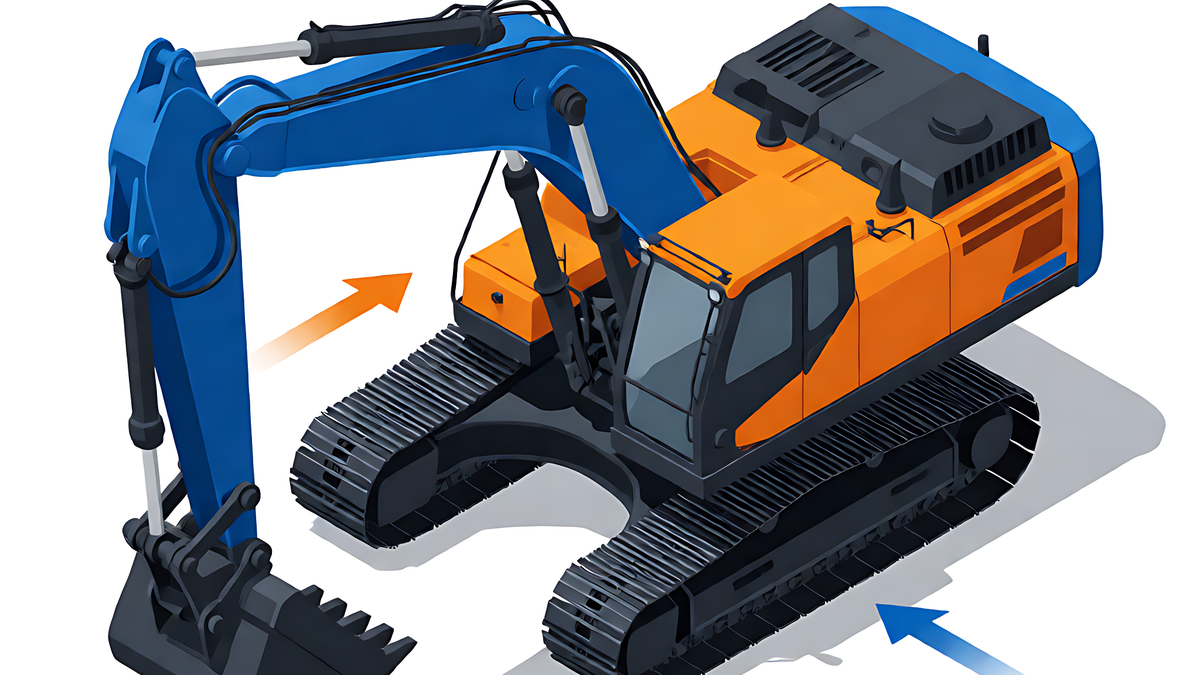
On September 20, the "Intelligence Racing to the Future — The First Smart Robotics Application Skills Expo," hosted by the China Media Group, opened in Hangzhou, with more than 300 smart robots on display. In the designated skills demonstration area, the LiuGong 922FE driverless electric excavator completed a live on-site operation: with no one in the cab, it relied on a multi-sensor fusion system of LiDAR, visual perception, and inertial navigation to autonomously carry out the full sequence of digging, swinging, precise unloading, and site levelling.
In LiuGong's disclosed positioning, the 922FE mainly targets earthmoving, port, and tunnel scenarios, and the related technology can be transferred to large and ultra-large mining excavators to replace human operators in the excavation, stripping, and loading cycle. It can run continuously in conditions where people struggle to stay on watch for long periods — at night, in extreme heat or cold — and can connect to a fleet dispatch system to enable multi-machine coordination.
The drivers for autonomy are very direct: the U.S. construction industry faces a structural gap as more than 40% of its workforce retires within the next five years, and China likewise faces operator shortages and difficulty staffing high-risk scenarios. That is also why driverless technology is landing faster than the industry expected three years ago.
New Players Overseas: Retrofit Kit Companies Raise Big Money
The most notable development this October came not from OEMs, but from two companies doing "autonomous retrofits of the existing equipment fleet."
- Gravis Robotics: spun off from ETH Zurich in 2022, headquartered in Zurich, with offices in Austin and Oxford. On August 17, 2026, it announced the completion of a $200 million Series A led by SoftBank — the largest Series A in construction robotics history — and graduated to unicorn status. Its core product, Gravis Rack, is a brand-agnostic autonomous control kit that has been installed on machines from Caterpillar, Case, Deere, JCB, Hitachi, Sumitomo, Yanmar, Volvo, and others; the same core software can drive a small excavator or a machine five times its size without reprogramming. The company also leads the government-backed CAM Pathfinder project in the UK (budget: £8 million), partnering with Flannery Plant Hire, the country's largest operated plant hire firm, to retrofit excavator fleets serving the UK's £716 billion infrastructure pipeline.
- Bedrock Robotics: founded by veterans of Waymo's autonomous driving team, with $350 million raised to date. In August 2026, its first fully driverless retrofitted excavators entered real projects: a water treatment facility in Nevada with Sundt Construction, a multi-million-cubic-yard earthmoving site in Texas with Champion Site Prep, and a 1.2-million-cubic-yard site levelling project with Zachry Construction. The work currently focuses on early-stage earthworks (site clearing, cut and fill, foundation preparation); the system features self-monitoring and a "call for help the moment it gets stuck" mechanism that keeps a human in the loop.
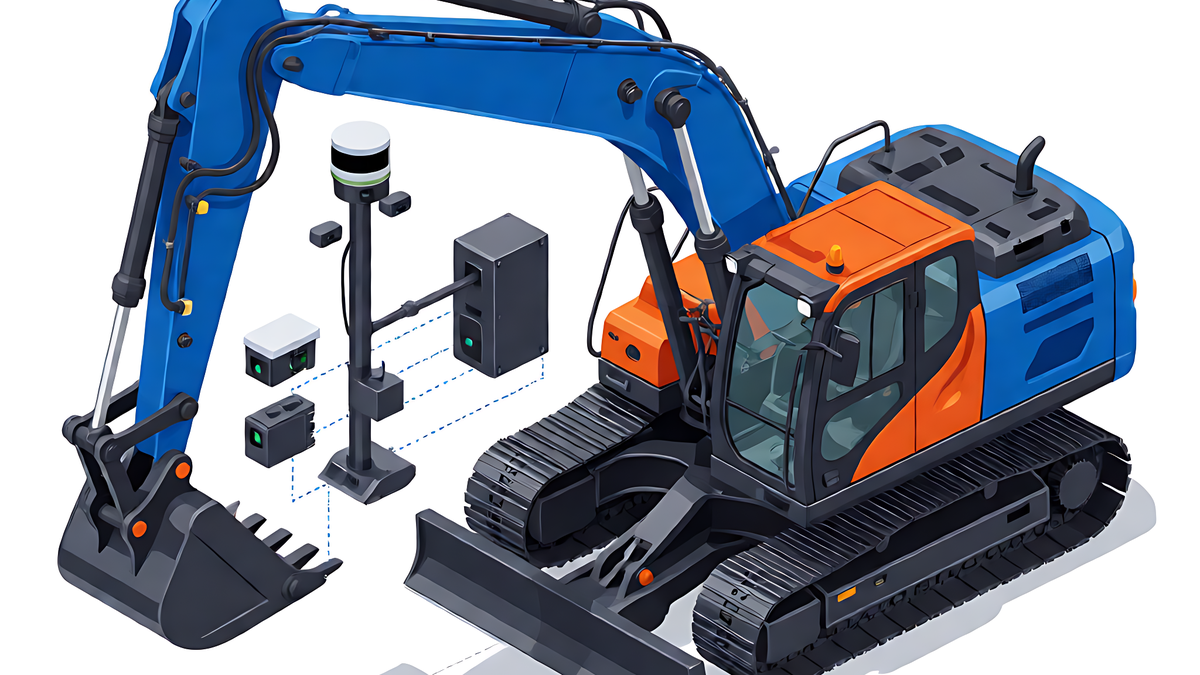
It is worth emphasizing: these companies retrofit existing, older machines rather than selling whole units. For owners with large fleets of existing equipment, this is a path to the benefits of automation without having to replace their assets.
What It Means for Buyers
Compress the information above into actionable judgments:
Pure-electric models: suited to scenarios with fixed charging conditions, single- or double-shift operations, and strict noise and emission limits (urban areas, tunnels, ports, batching plants). Before buying, first work out the electricity-versus-diesel price gap and how charging downtime affects the schedule.
Dual-mode or externally powered models: for users with continuous operations and site access to industrial power — currently the most dependable electrification transition.
Driverless retrofits: suited to projects with large earthmoving volumes and highly standardized processes (stripping, backfill, site levelling). Currently mostly overseas solutions; domestically, keep an eye on the rollout pace of driverless product lines from manufacturers such as LiuGong.
Don't overlook what electrification means for exports: in the first half of 2026, Chinese excavator exports grew 33% year on year, with electric products playing an increasingly visible role in driving that growth. Factoring in future resale value and acceptance in export markets when buying equipment is an asset value many people overlook.
For the data-side background, see September excavator sales data: domestic demand is recovering, cumulative exports have exceeded domestic sales for the first time, and the industry as a whole is at a stage where the renewal cycle and the electrification cycle overlap. If you are still going back and forth on undercarriage type when selecting a model, see Selection Differences Between Tracked and Wheeled Excavators.
In Closing
Electrification and autonomy are no longer two separate stories. The LiuGong 922FE is a combination of "electric plus driverless," and Volvo's electric articulated trucks will also be connected to dispatch systems in the future. Whoever can solve both "what powers it" and "who operates it" on the same machine will hold the initiative in the next round of product competition.
EquipNode focuses on the overseas supply of Chinese construction machinery, with a product line covering electric excavators, electric wheel loaders, autonomous mining trucks, and parts for mainstream brands. For technical parameters, quotations, and lead times on specific models, please contact us and we will reply within 24 hours.
*The data and facts in this article come from public sources including Volvo Construction Equipment, Hitachi Construction Machinery, LiuGong, The Robot Report, and official announcements from Gravis Robotics, current as of October 20, 2026.*