The Hidden Battle in Construction Equipment Aftermarket
title: "The Hidden Battle in Construction Equipment Aftermarket: Right to Repair, Remanufacturing, and the New Parts Ecosystem"
date: 2026-09-25
author: EquipNode
tags: [maintenance, parts selection, used equipment, fault diagnosis, service life]
While industry attention is fixed on new product launches and the electrification wave, a hidden battle over "who gets to repair, with what parts, and at what cost" is quietly escalating across the global construction equipment market. From John Deere's right-to-repair lawsuits to Komatsu expanding its parts centers, from XCMG's remanufacturing base going overseas to Xiangtan's 3.5 billion yuan in used excavator exports — in 2026, the scale and landscape of the aftermarket are being fundamentally rewritten.
The Right-to-Repair Battle: Who Has the Right to Open Your Engine Hood?
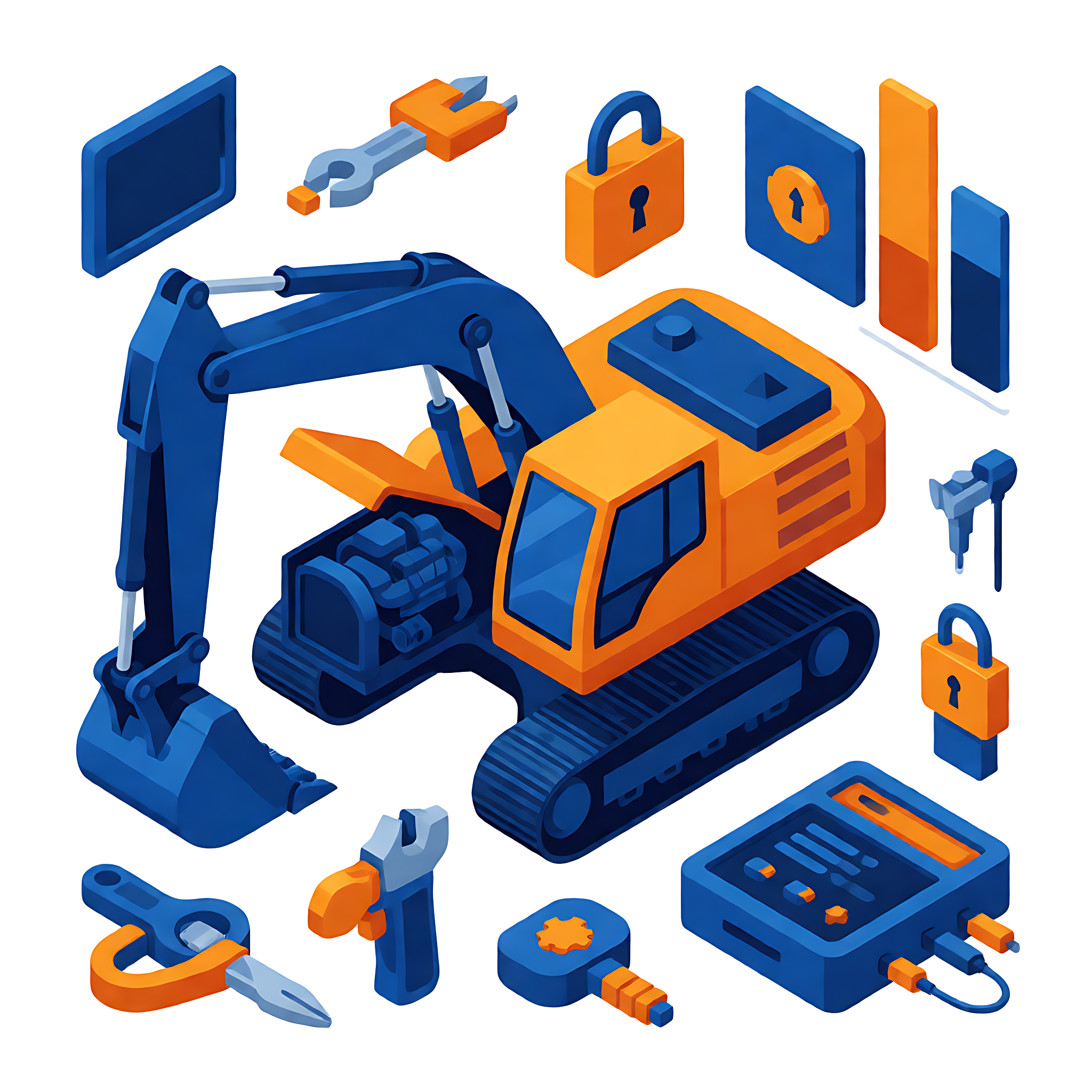
In 2026, John Deere has once again been placed in the defendant's seat. Following earlier right-to-repair lawsuits over agricultural equipment that drew widespread attention, a new lawsuit targeting restrictions on construction and forestry equipment repair has been formally filed in the United States. The core dispute centers on whether equipment owners have the right to perform repairs themselves or commission third-party repairs, rather than being forced to use authorized dealer networks.
This is not an isolated case. The right-to-repair movement is spreading from agricultural equipment into the construction equipment sector. Equipment owners widely report that OEMs effectively monopolize the repair service chain through software locks, exclusive parts access, and restricted diagnostic tools. When an excavator displays a fault code, it must be read and cleared using the brand's proprietary diagnostic computer, which invisibly inflates repair costs and downtime.
For Chinese construction equipment exporters, the right-to-repair issue is particularly critical. In North American and European markets, local users are accustomed to self-repair or choosing local independent repair shops. If equipment is designed to exclude third-party repair, it not only harms customer satisfaction but may also trigger legal risks. Sany's proactive launch of new parts and service initiatives at ConExpo 2026 was precisely a positive response to this trend.
Remanufacturing: The "Second Spring" of the Aftermarket
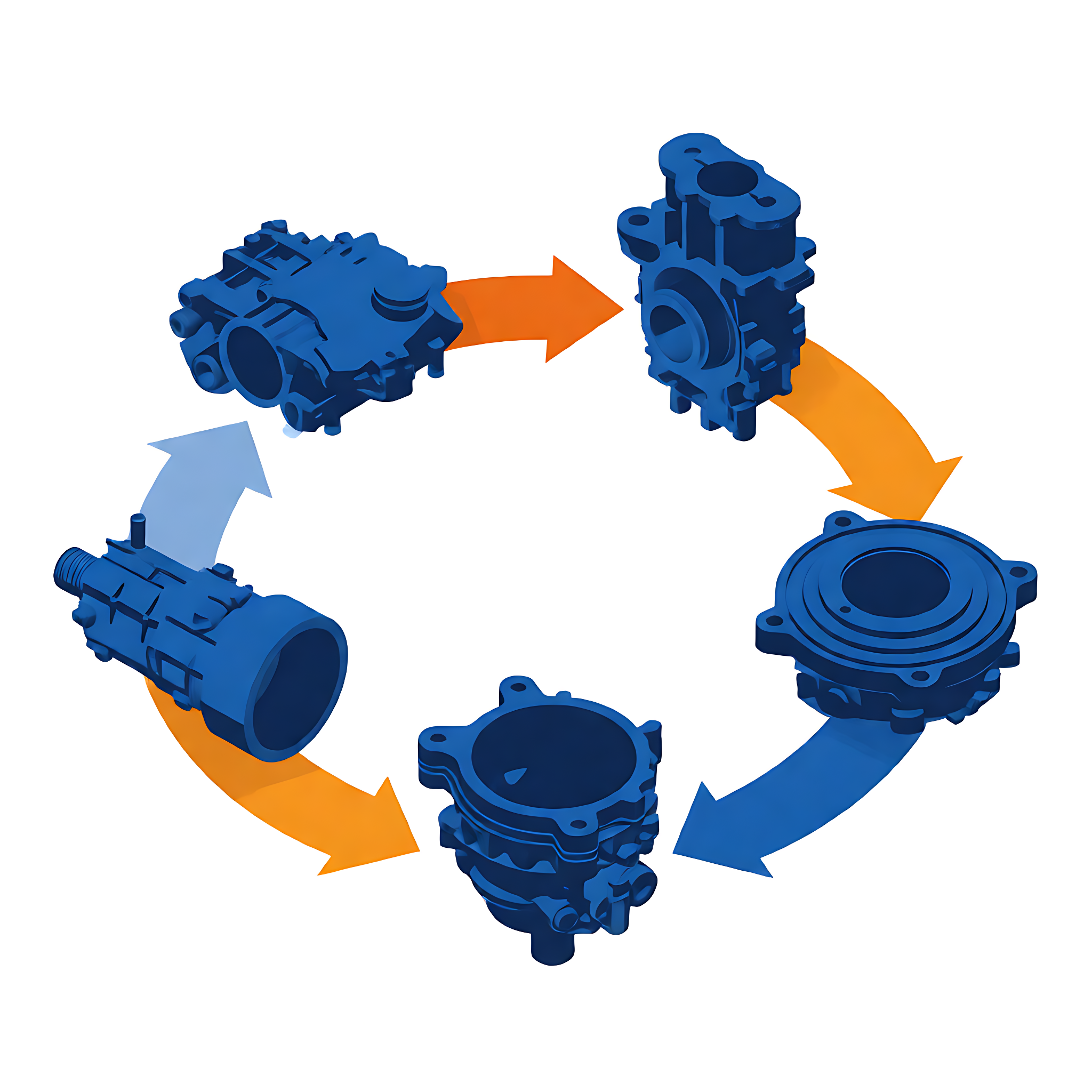
Remanufacturing is moving from the margins to the mainstream. Volvo CE's pioneering Reman remanufactured parts program recovers used components, subjects them to rigorous inspection, and remanufactures them to deliver replacement parts at 30%-50% below the price of new components — with equivalent quality guarantees — effectively reducing users' Total Cost of Ownership (TCO).
In September 2026, XCMG broke ground in Indonesia on its first overseas mining machinery component overhaul and remanufacturing base, marking a substantive step for Chinese enterprises in aftermarket internationalization. The base will serve the mining equipment repair needs of the Southeast Asian and Australasian markets, providing remanufacturing services for engines, hydraulic systems, drivetrain systems, and other core components.
The case of Xiangtan, Hunan is equally noteworthy. This "Construction Equipment Capital of China" saw its 2026 used equipment exports surpass 3.5 billion yuan, shipping old excavators around the globe. Used equipment transactions are themselves a vital part of the aftermarket — every transfer of a used machine involves a complete overhaul, refurbishment, and parts replacement, driving prosperity in the local repair supply chain.
Restructuring the Parts Supply Chain
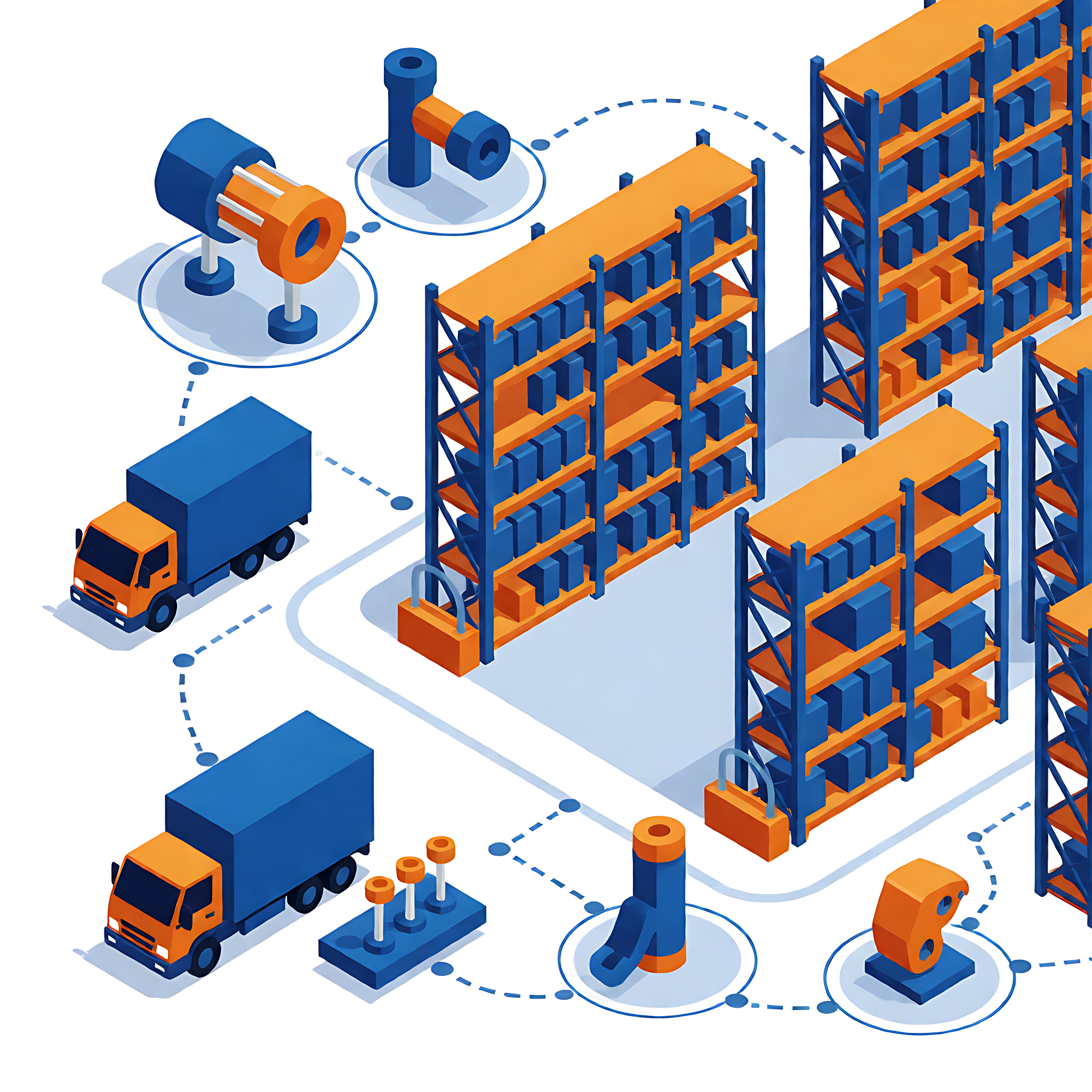
Komatsu announced the addition of a parts center in Arizona, further strengthening its North American parts distribution network. This continues a trend since 2025 of multiple OEMs increasing investment in parts infrastructure. For users, the density of parts center placement directly affects equipment downtime — every day shaved off parts delivery time translates to one less day of lost production at the jobsite.
Independent parts distributors such as Mission Hydraulics are also rapidly expanding their OEM hydraulic parts business. The hydraulic components market, traditionally monopolized by OEMs, is being broken open, with third-party high-quality parts becoming increasingly available and offering clear price advantages. For price-sensitive small and medium contractors, choosing certified third-party hydraulic components as alternatives to OEM parts can save 20%-40% on parts expenditure while maintaining reliable equipment operation.
Worth noting is that in 2026, the heavy equipment repair industry as a whole faces rising cost pressures. According to industry reports, repair labor costs continue to climb and the shortage of qualified technicians is worsening. This means that proactively developing preventive maintenance plans and establishing stable parts reserves is more economical than reactive, after-the-fact repairs. Regularly replacing filter elements, hydraulic oil, and wear parts may seem to increase daily expenses but actually significantly reduces the high downtime losses caused by unexpected failures.
Telematics: From Data to Decision
Construction Equipment magazine's 2026 telematics guide reveals that mainstream OEM fleet management platforms are evolving from simple location tracking into comprehensive equipment health management systems. By monitoring key indicators in real time — engine operating parameters, hydraulic system pressure, fuel consumption data — these platforms can predict potential faults and pre-schedule parts and repair resources.
For aftermarket participants, telematics data opens new commercial opportunities. Based on actual equipment usage data, it becomes possible to implement usage-based billing for parts subscriptions, predictive maintenance services, and precise used equipment valuations. Third-party service providers who master this data will gain a competitive edge over traditional repair shops.
Practical Recommendations: How Equipment Owners Should Respond
Parts management: It is recommended to establish a safety stock list for critical parts, including filter elements, hydraulic oil, belts, seals, and other high-turnover components. Using equipment operating hours and maintenance manual requirements, develop a parts replacement schedule to avoid premium pricing and wait times associated with emergency procurement.
Repair strategy: During the equipment warranty period, prioritize using authorized services. After the warranty expires, consider choosing OEM-certified independent repair shops or remanufactured parts to significantly reduce operating and maintenance costs. In markets with well-established right-to-repair regulations (such as the EU and certain U.S. states), retain all repair records, which may serve as evidence for rights protection when necessary.
Used equipment transactions: Complete maintenance and repair records are key to enhancing residual value. Every standardized maintenance service, every record of using OEM or certified parts, adds to the future value of the equipment.
Conclusion
The construction equipment aftermarket is no longer a "patch-and-fix" fringe business — it is a new industrial track worth hundreds of billions. Right-to-repair legislation is driving openness, remanufacturing technology is reducing costs, and telematics is reshaping service models — three forces that together are forging a new aftermarket landscape. For equipment owners, proactively managing the full lifecycle of their equipment and choosing the right parts and repair strategies is the key step to protecting profit in an intensely competitive market.
For specific equipment parts pricing or repair solutions, feel free to contact the EquipNode sales team. We are here to provide professional support.