Construction Equipment Aftermarket: Maintenance Parts and Value Guide
title: The Trillion-Dollar Blue Ocean of Construction Equipment Aftermarket: A Complete Guide to Maintenance, Parts, and Residual Value
description: The construction equipment aftermarket has surpassed a trillion yuan in scale, with maintenance, spare parts, and used equipment transactions presenting enormous opportunities. This article provides a comprehensive analysis of how to minimize total cost of ownership—from daily maintenance and parts procurement to residual value management.
keywords: construction equipment aftermarket, maintenance, parts procurement, used equipment, hydraulic systems, residual value management
author: EquipNode
date: 2026-09-11
Aftermarket: The Maintenance Logic of a Trillion-Yuan Arena
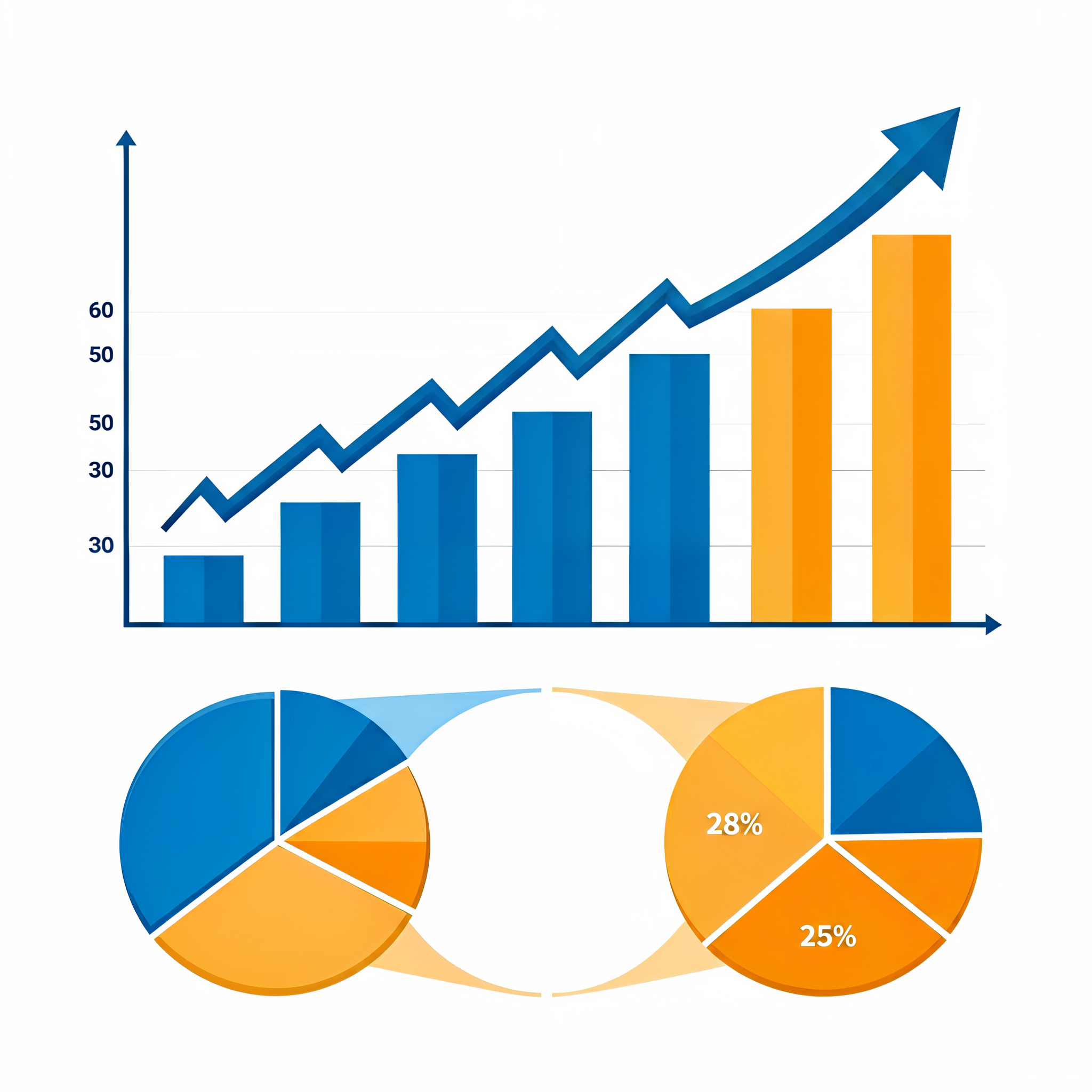
In 2026, the Chinese construction equipment aftermarket officially surpassed the trillion-yuan threshold. According to industry analysis, over 500,000 existing enterprises compete in this space—from parts suppliers and maintenance service providers to used equipment brokers and remote diagnostic platforms.
For equipment operators, the aftermarket boils down to one core question: How do you minimize the total cost of ownership for every machine in your fleet?
The answer lies in three areas: daily maintenance, parts management, and residual value operations. Get these right, and a single excavator's operating costs can run 30%–40% below industry averages.
Daily Maintenance: 5 Minutes of Prevention Beats 50,000 Yuan in Repairs
According to the Association of Equipment Manufacturers (AEM), 65% of premature equipment failures stem from inadequate maintenance. Using a 6-ton excavator as an example, here is a comparison of major failure costs:
| Neglected Maintenance Item | Potential Consequence | Repair Cost (RMB) |
|-----------|---------|--------------|
| Skipping daily lubrication | Pin wear | 10,000–20,000 |
| Ignoring hydraulic leaks | Pump assembly damage | 20,000–40,000 |
| Failing to clean clogged air filter | Engine damage | 30,000–70,000 |
| Insufficient coolant | Head gasket burnout | 15,000–25,000 |
| Not replacing worn tracks | Drive motor failure | 25,000–50,000 |
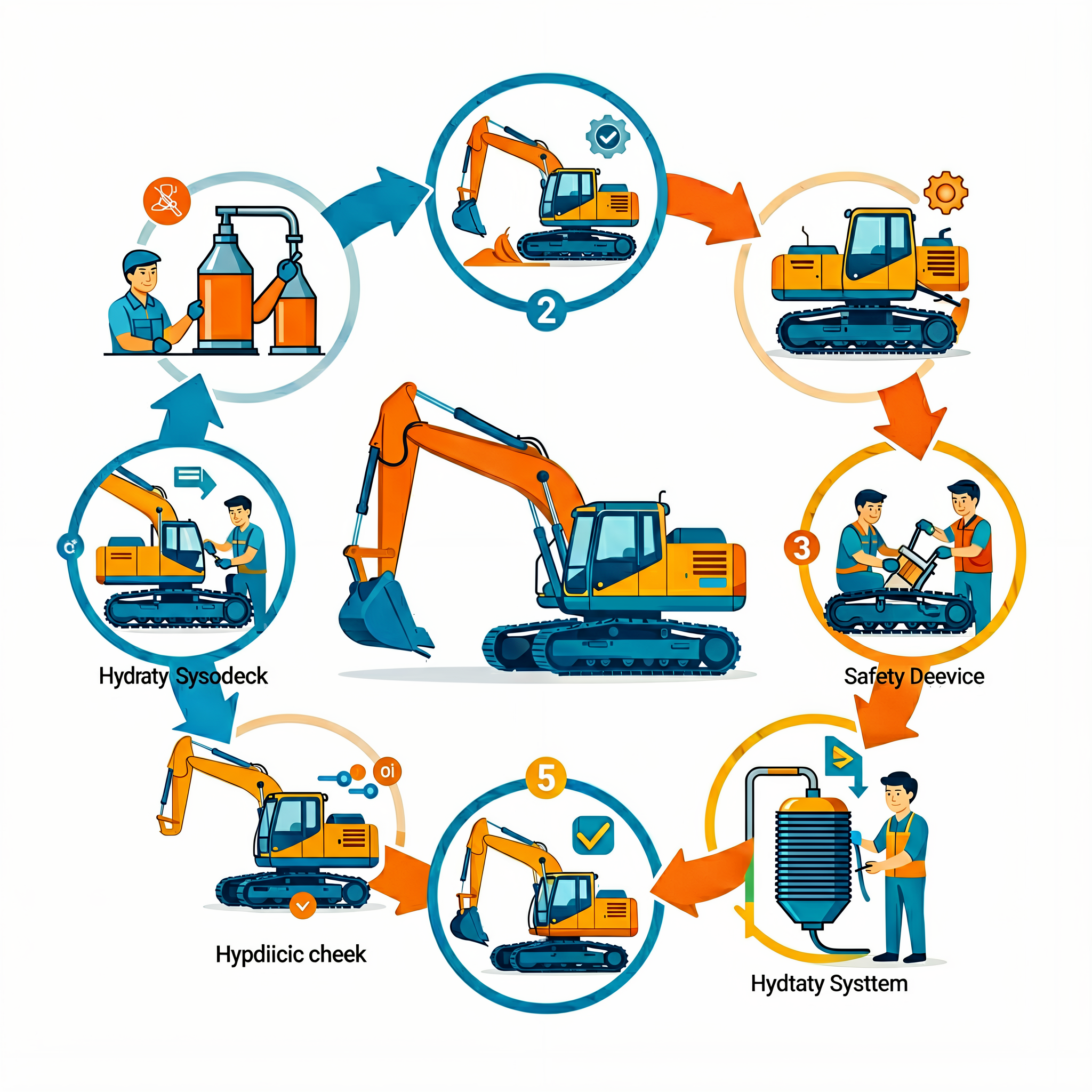
10-Minute Daily Inspection Checklist (mandatory for operators):
Walk-around check: Inspect hydraulic oil, engine oil, and coolant for leaks; check hoses for bulging or abrasion
Track inspection: Verify tension (10–15 mm slack is normal); check for trapped debris
Safety devices: Confirm seatbelt, backup alarm, and lighting are functional
Fluid levels: Verify engine oil, hydraulic oil, and fuel—refuel at the end of each workday to prevent moisture condensation
Weekly and Seasonal Maintenance: The 20-Minute Deep Inspection Protocol
Each week (or every 50 hours), add the following to your daily inspection:
Cleaning tasks:
- Pressure-wash the undercarriage, focusing on gravel and mud between track links
- Use compressed air to clear radiator fins—blow from inside out; clogged fins are the leading cause of overheating
- Vacuum and clean the cab interior; check for loose control panel components
Functional tests:
- Full boom raise/lower, arm extend/retract, and bucket curl/dump cycles
- Full-range swing left and right; forward and reverse travel tests
- Watch for any lag, vibration, or unusual noise—these are early warning signals
Every 250–500 hours (at seasonal transitions), perform seasonal maintenance: replace engine oil and filter, fuel filter, and air filter; inspect hydraulic oil quality and hose condition; and apply grease to all lubrication points.
Parts Procurement: The Economics of OEM vs. Aftermarket Parts
Parts represent the largest profit pool in the aftermarket. The wrong selection not only wastes money—it can also trigger safety incidents.
### Hydraulic Hoses
- OEM parts: 30%–50% higher in price, but guaranteed fit and sealing performance with longer service life
- Branded aftermarket parts (e.g., Parker, Gates): Best value for money; suitable for routine wear components
- Unbranded parts: Lowest price, but no guarantees on pressure tolerance or durability—not recommended for high-pressure circuits
### Tracks and Drive Components
Tracks are the single largest consumable on an excavator. A track set costs between RMB 10,000 and 20,000, with replacement intervals varying by operating conditions:
| Operating Condition | Typical Lifespan | Recommended Procurement Strategy |
|---------|---------|------------|
| Soft soil operations | 3,000–5,000 hours | Cost-effective domestic brands |
| Mixed conditions | 1,500–2,500 hours | Mid-range brands; focus on wire reinforcement layers |
| Rock/demolition | 500–1,500 hours | OEM or premium brands; prioritize abrasion resistance |
### Remote Diagnostics Reduce Parts Waste
Sany Heavy Industry's AI Service Assistant, unveiled at CONEXPO 2026, is worth noting: its remote diagnostic system enables technicians to predict parts replacement needs before equipment failure occurs. Data shows that remote diagnostics can reduce unplanned downtime by 30% while simultaneously lowering parts inventory pressure by 15%–20%.
Volvo Construction Equipment launched its Approved Used Equipment Program, delivering officially certified used equipment in Asian markets for the first time. Each unit undergoes 120+ inspection items and comes with an extended warranty.
Residual Value Management: What Is Your Equipment Actually Worth?
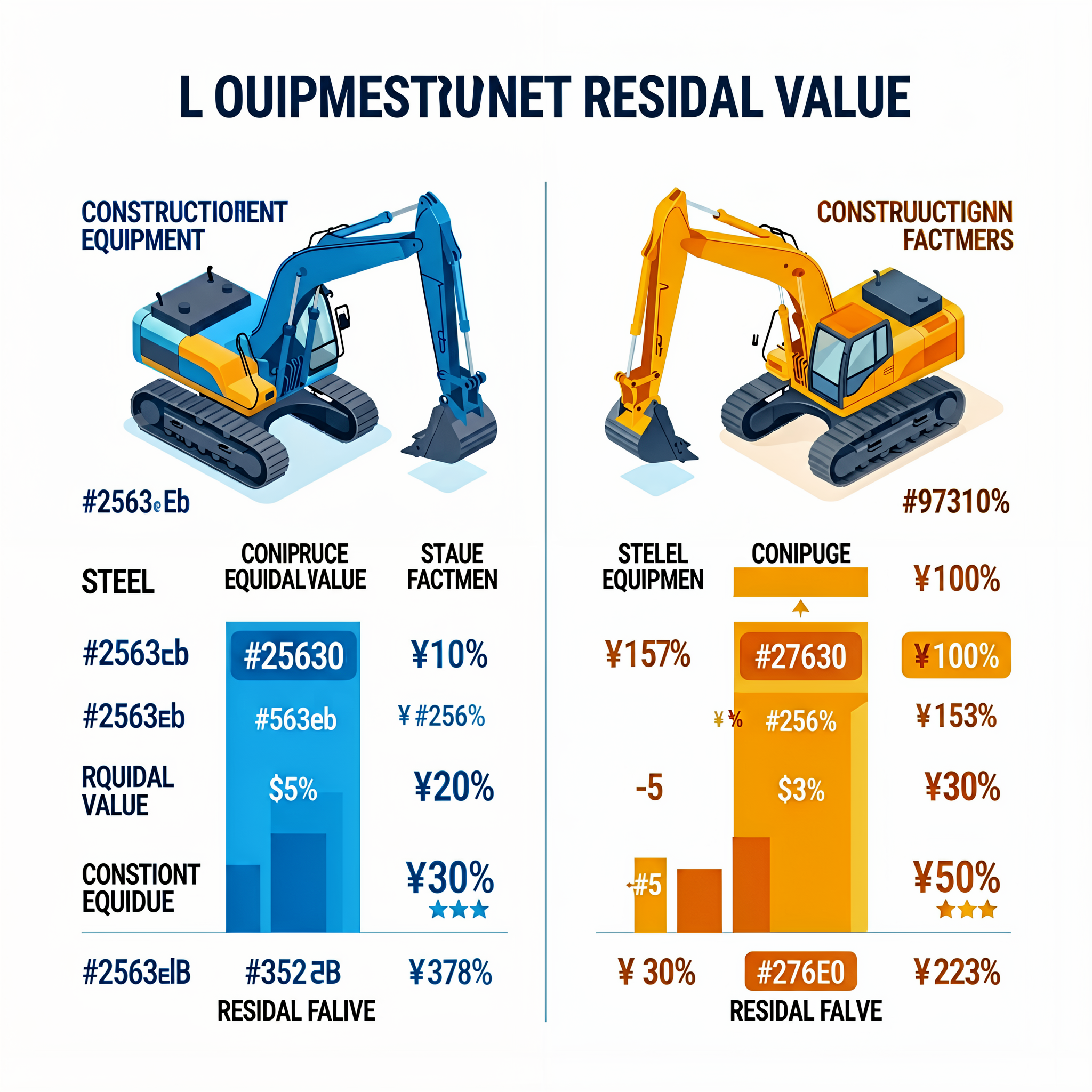
Many equipment operators focus solely on purchase price and operating costs, overlooking residual value—one of the most critical variables in the total cost of ownership equation.
Total Cost of Ownership Formula:
Total Cost = Purchase Price − Residual Value + Operating Expenses
A new machine purchased for RMB 300,000 and sold for RMB 150,000 after five years has a net cost of RMB 150,000. Another machine purchased for RMB 250,000 that sells for only RMB 80,000 has a net cost of RMB 170,000—a lower purchase price is not always a better deal.
### Key Factors Affecting Residual Value
| Factor | Impact on Residual Value |
|-----|-----------|
| Engine brand (Kubota/Yanmar) | +15%–25% |
| Complete maintenance records | +10%–20% |
| Low operating hours (<1,500 hrs) | +20%–30% |
| Standard quick-coupler fitted | +5%–10% |
| Dealer service history | +5%–15% |
| Cosmetic condition | +5%–10% |
Key data point: Equipment with complete maintenance records commands 10%–20% higher resale prices compared to the same model without documentation. In the used equipment market, buyers pay a premium for "visible maintenance."
### Used Equipment Sales Channel Comparison
| Channel | Price Level | Speed | Best Suited For |
|-----|------|------|---------|
| Dealer consignment | Highest | Slowest (1–3 months) | High residual value equipment |
| Auction platforms | Volatile | Fastest (1–2 weeks) | Quick liquidation |
| Private sales | Moderate | Moderate (2–4 weeks) | Local transactions |
| Online platforms | Moderate | Relatively fast | High information transparency |
China's used excavator market is growing rapidly. Xiangtan, Hunan Province has established an industrial cluster with annual transaction volumes exceeding RMB 3.5 billion in used excavator exports, shipping to over 100 countries and regions across Southeast Asia, Africa, and Central Asia. This case demonstrates that the aftermarket is not only a domestic business—it also represents significant overseas expansion opportunities.
Remote Monitoring: The Digital Future of the Aftermarket
According to a 2026 survey by *Construction Equipment* magazine, OEM telematics platforms are becoming standard equipment:
- Caterpillar Product Link: Covers over 60% of Caterpillar equipment globally
- Komatsu KOMTRAX: Over 6 million machines connected
- Sany e-Manager: Leading remote management user base among domestic construction equipment
The value of these platforms extends far beyond location tracking to include: predictive maintenance alerts, abnormal fuel consumption warnings, and operating hour tracking with rental management. For operators with 5 or more machines, remote monitoring can save 5%–8% in annual operating costs.
Action Plan: Three Steps to Reduce Aftermarket Costs
Build maintenance records: Create a digital file for every machine, documenting all maintenance, repairs, and parts replacements. No complex system required—an Excel spreadsheet is enough to start. This becomes your most valuable "asset" when it's time to sell.
Centralize parts procurement: Operators with 5 or more machines should establish an annual parts procurement plan and negotiate framework agreements with suppliers. Bulk purchasing typically secures 15%–20% discounts.
Monitor the residual value curve: Depreciation is steepest in the first three years (15%–20% loss per year), then levels off. At the three-year mark, evaluate whether to hold or trade in—this decision point often yields the largest savings.
Conclusion
The essence of the construction equipment aftermarket is efficiency optimization. With proper maintenance, a single machine can operate for 10+ years; without it, 3,000 hours could mean the end of its service life. The right parts keep costs under control; the wrong ones trigger a cascade of problems.
For more information on equipment maintenance plans or used equipment valuation services, feel free to contact the EquipNode team. We provide professional parts procurement advice and equipment value assessment services to help you make smarter decisions in the aftermarket.