Stage V Emission Standards: Three Major Industry Shifts Are Here
title: Stage V Emission Standards Under Review: Three Major Industry Shifts Are Here
date: 2026-09-10
author: EquipNode Research Team
category: Industry Policy
tags: [Emission Standards, Stage V, Non-Road Mobile Machinery, Electrification, CONEXPO]
description: China's Ministry of Ecology and Environment releases the draft emission standards for Stage V non-road mobile machinery. Combined with tightening global emission regulations, the construction machinery industry faces a triple shift: emission reduction, electrification, and globalization. This article interprets the policy key points, analyzes industry impacts, and provides response recommendations.
In June 2026, China's Ministry of Ecology and Environment released the draft of the "Pollutant Emission Limits and Measurement Methods for Non-Road Mobile Machinery and Their Engines (China Stage V)," marking China's formal entry into the "Stage V era" for construction machinery emissions regulations. This document is not merely a standard—it is the starting point for a comprehensive restructuring of the industry's technology roadmap, market landscape, and competitive dynamics.
Meanwhile, the U.S. EPA is advancing Tier 5 emission standards, the EU is strengthening Stage V+ requirements, and India is tightening emission regulations ahead of bauma CONEXPO India 2026. The global convergence of stricter emission standards is pushing the construction machinery industry toward a critical crossroads.
Stage V Standards: Unprecedented Emission Reduction Intensity
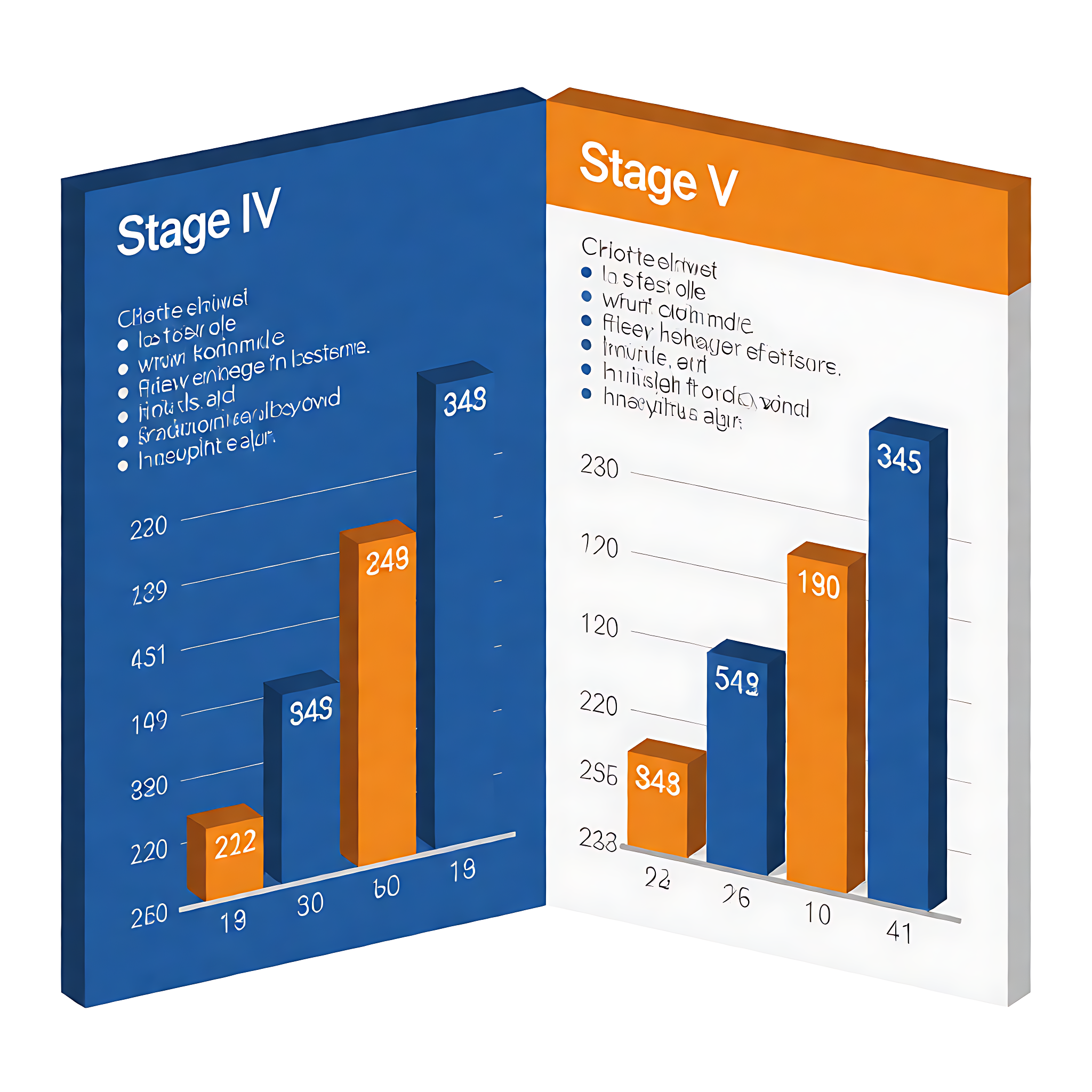
According to the draft released by the Ministry of Ecology and Environment on June 12, 2026 (Huan Biao Zheng Han [2026] No. 17), the Stage V standards impose stricter limits on nitrogen oxides (NOx) and particulate matter (PM) from non-road mobile diesel machinery.
Compared to the current Stage IV standards, the core changes in Stage V include:
- NOx Limits Reduced Further: NOx emission limits for engines above 56 kW are reduced by approximately 30% compared to Stage IV, aligning with the EU Stage V standards
- PM Limits Tightened: Particulate matter emission limits are further reduced, forcing manufacturers to upgrade aftertreatment systems
- Mandatory OBD Requirements: On-Board Diagnostics (OBD) requirements are introduced for the first time, enabling real-time emission monitoring
- In-Use Machinery Regulation: Beyond controlling newly manufactured equipment, in-use machinery will also face stricter emission inspections
The public comment period closes on July 18, 2026, and industry associations have organized member companies to submit collective feedback. Based on the current policy timeline, the final standard is expected to be issued in early 2027, with mandatory enforcement beginning around 2028.
This means that the phase-out of existing Stage III equipment will accelerate, and the lifecycle of Stage IV equipment will be significantly compressed. For equipment operators, the window for fleet renewal is narrowing.
Global Emission Regulation Convergence: EPA, EU, and India Tighten Simultaneously
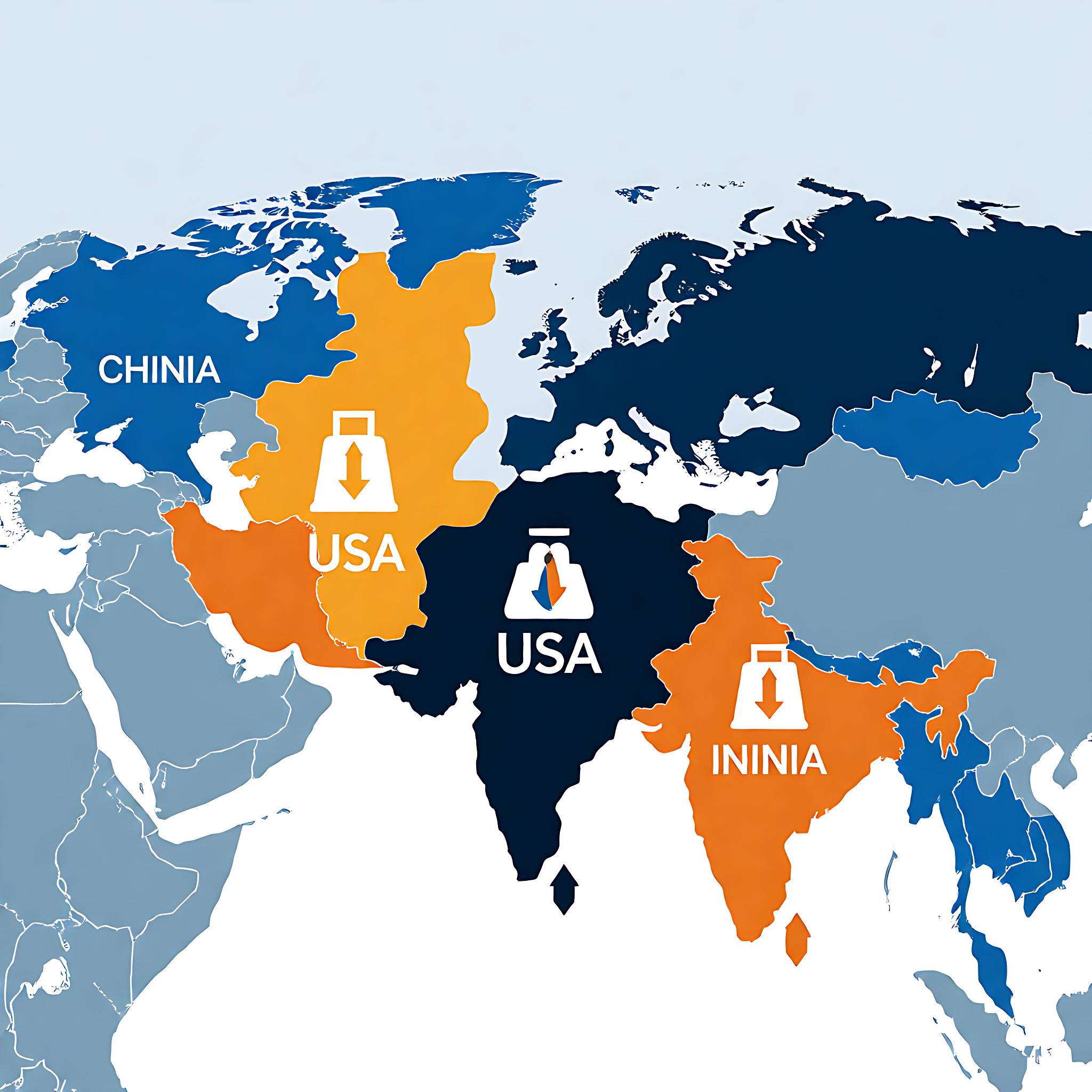
China is not the only market tightening emission regulations. In 2026, the world's major construction machinery markets are simultaneously advancing emission upgrades:
U.S. EPA Tier 5: The Tier 5 standard requires NOx emissions to be reduced to 0.02 g/kWh and PM to 0.01 g/kWh—representing a reduction of over 90% compared to Tier 4 Final. The standard mandates OBD systems, continuous EGR control, and dual-stage aftertreatment (DOC+DPF+SCR). After 2026, no "grandfather clause" exemptions will apply.
EU Stage V+: The EU has further tightened requirements beyond Stage V, demanding real-time NOx/PM sensor feedback and automated diagnostic reporting. Engines above 56 kW must meet near-zero emission requirements.
India's Emission Regulations: Ahead of bauma CONEXPO India 2026 (September 2026), India's central government has tightened emission standards for tractors and agricultural equipment, pushing manufacturers to accelerate technology upgrades.
The emission regulations across these three major markets are creating a "convergence effect," with core indicators gradually aligning. For Chinese construction machinery exporters, this presents both challenges and opportunities—unified technical standards reduce multi-market compliance costs, but non-compliant products will be completely excluded from these markets.
Local Enforcement: Ban Zone Designation Accelerates
Beyond national standards, local-level enforcement efforts are equally noteworthy:
Guangdong Province: In March 2026, the province released the "Identification Standards for High-Emission Non-Road Mobile Machinery" (Yue Huan Fa [2026] No. 2), clearly defining construction machinery meeting Stage I and below emission standards, machinery with exhaust smoke exceeding limits, and machinery with visible black smoke emissions as high-emission machinery. This standard took effect on May 1, 2026, with a validity period of five years.
Guangzhou: In August 2026, the city issued a notice designating zones where high-emission non-road mobile machinery is prohibited. This means non-compliant equipment will be unable to enter construction sites in Guangzhou's core urban areas.
Jinan: In July 2026, the city adjusted the scope of its high-emission non-road mobile machinery ban zone, further expanding the controlled areas.
Tianjin: The city has introduced subsidy policies for the retirement and replacement of non-road mobile machinery, guiding older equipment out of the market.
The acceleration of local ban zone designations is essentially establishing a "regional phase-out" mechanism ahead of the official implementation of national standards. For equipment operators, even before the Stage V standard is mandatorily enforced, non-compliant equipment in some cities is already unusable. To check the emission compliance status of specific equipment, contact EquipNode for the latest policy interpretation.
Electrification Accelerates: A Technology Roadmap Forced by Regulation

The continuous tightening of emission regulations is accelerating the electrification of construction machinery. According to Global Growth Insights, the compound annual growth rate of the construction machinery electrification market will reach 46.6%, far exceeding the growth rate of traditional diesel equipment.
Under policy pressure, electrification has shifted from an "option" to a "must":
- Sany Heavy Industry: Electric excavators and electric loaders have achieved mass production and delivery, with electric product sales in the first half of 2026 increasing by over 200% year-on-year
- XCMG Group: At CONEXPO 2026, showcased a full range of electric products, featuring "integrated scenario solutions"
- LiuGong: Launched electric forklift-loaders and electric excavator series, covering the small and medium-tonnage market
- Lingong (SDLG): At CONEXPO 2026, showcased a full lineup of high-end products, with a significant increase in the proportion of electrified products
For exporters, electrified products have a natural advantage in European and American markets where emission regulations are stricter. Electric equipment does not require complex aftertreatment systems and can easily meet Tier 5 and Stage V+ requirements. Learn more about electric construction machinery products on the EquipNode product page.
bauma CONEXPO India 2026: Policy Signals from the Indian Market
In September 2026, bauma CONEXPO India 2026 was held in India, with Chinese brands including SDLG, Shantui, and SEM all making appearances. Notably, the Indian market is simultaneously tightening emission regulations, providing Chinese construction machinery companies with a window to showcase their technology.
SDLG debuted new-generation earthmoving equipment at the exhibition, emphasizing compliance with India's latest emission standards. Doosan Bobcat focused on AI technology applications in construction machinery, combining intelligent monitoring with emission compliance.
The Indian market's uniqueness lies in the fact that it is one of the fastest-growing construction machinery markets globally, yet its emission regulations have long lagged behind China and the West. As the Indian government intensifies its anti-pollution efforts, Chinese companies that proactively invest in electrification and high-standard emission technology will secure a first-mover advantage.
Corporate Response: R&D and Transformation on Dual Tracks
Facing the global trend of tightening emission regulations, construction machinery companies need to work simultaneously on two fronts:
Short-Term Response:
- Ensure existing product lines meet Stage IV standard requirements to avoid product compliance risks during the policy transition period
- Monitor changes in local ban zone policies and promptly adjust equipment dispatch strategies
- Build capacity for the maintenance and replacement of aftertreatment systems (SCR, DPF, DOC)
Medium to Long-Term Strategy:
- Increase R&D investment in electrification products to establish scale advantages in electric product lines
- Develop zero-emission technology reserves such as hydrogen fuel cells
- Establish a global compliance team to simultaneously track regulatory developments across the four major markets of China, the U.S., Europe, and India
The tightening of emission regulations is essentially a catalyst for industry reshuffling. Companies that can quickly adapt to new standards will gain greater market share, while those that respond slowly will face the risk of product sales bans and market marginalization.
Conclusion
The release of the Stage V emission standards draft marks a critical period of emission upgrades for China's construction machinery industry. Global emission regulation convergence, accelerating local ban zone designations, and an increasingly clear electrification technology roadmap—these three major shifts are reshaping the industry landscape.
For equipment operators, now is the ideal time to evaluate fleet renewal plans and monitor policy changes. For manufacturers, R&D investment in electrification and high-standard emission technology will determine market positioning over the next five years.
To learn about emission compliance solutions and the latest pricing for various construction machinery, contact EquipNode for professional equipment selection and procurement advice.