Carbon Peak Policy Drives Construction Machinery Electrification

title: Carbon Peaking Policies Take Effect — Construction Machinery Electrification Accelerates
date: 2026-08-13
author: EquipNode
category: Industry Policy
keywords: Carbon Peaking, Non-Road Mobile Machinery, Emission Standards, Electrification, 15th Five-Year Plan, Construction Machinery Policy
In the second half of 2026, the policy environment for the construction machinery industry is undergoing profound changes. From the State Council issuing the "15th Five-Year Plan" Carbon Peaking Action Plan, to local governments intensively designating non-road mobile machinery prohibition zones, to the formal implementation of the EU carbon border tax — multiple policy forces are compelling the industry to accelerate its transition toward cleaner, electrified solutions.
"15th Five-Year Plan" Carbon Peaking Action Plan Launched With Clear Targets
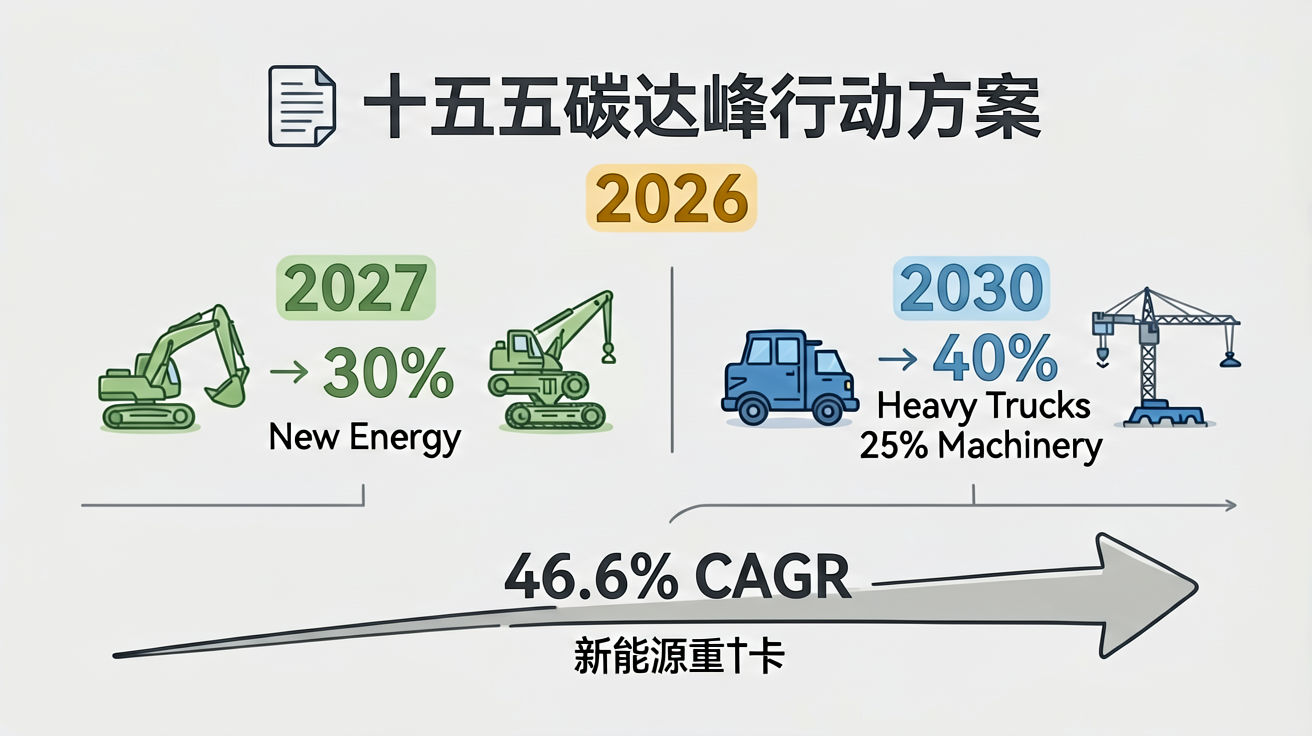
On July 10, the State Council issued the "15th Five-Year Plan" Carbon Peaking Action Plan, explicitly setting a target of 40% new energy heavy truck penetration by 2030. This is another landmark policy document following the 2024 new energy heavy truck special plan, and the first to include construction machinery electrification in the national carbon peaking top-level design.
The plan requires: by 2027, new energy construction machinery should account for no less than 30% of newly built projects; by 2030, the national electrification penetration rate for construction machinery should reach 25% or above. For leading enterprises such as Sany Heavy Industry, XCMG Group, and Zoomlion, this represents both policy pressure and a market opportunity.
From the first-half data, the machinery industry's export momentum remained strong, with the machine tool industry's profits surging by 89.2%, and overall industry operations steady with continued progress. However, the release of policy dividends is reshaping the competitive landscape — companies with electrification technology reserves will gain the upper hand.
Non-Road Prohibition Zones Continue to Expand, "Electronic ID Cards" Roll Out Nationwide
Since 2026, multiple cities across China have been intensively issuing non-road mobile machinery prohibition zone policies. Jinan, Yongzhou, Shenzhen, Henan and other regions have successively released notices expanding the scope of high-emission non-road mobile machinery bans, further compressing the operational space for National III and below emission standard excavators, loaders, cranes, and other equipment at urban construction sites.
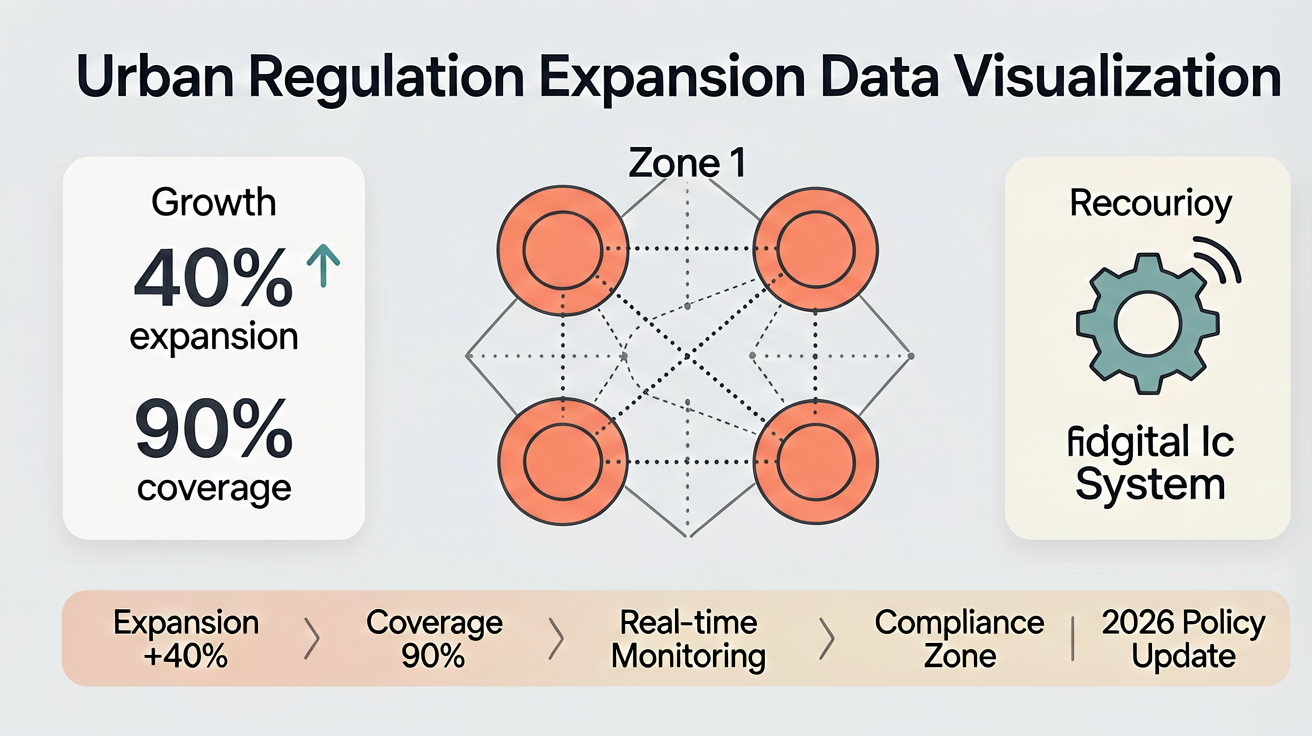
Taking Jinan as an example, the notice issued in July expanded the prohibition zone area by 40%, covering over 90% of construction areas in the main urban district. Shenzhen took the lead in March by implementing restrictions on National III and National IV emission standard diesel trucks, with non-road mobile machinery management tightening simultaneously.
More notably, areas such as Suidong Sub-district have begun promoting the installation of electronic tags on non-road mobile machinery, giving each piece of equipment an "electronic ID card." This means the regulatory approach is shifting from "random inspections" to "real-time monitoring," and non-compliant equipment will have nowhere to hide. For small and medium-sized construction enterprises still relying on aging equipment, upgrading is no longer a choice but a necessity.
EU Carbon Tariffs Combined With Southeast Asian Barriers Put Export Enterprises Under Pressure
Facing EU carbon tariffs and Southeast Asian trade barriers, Chinese construction machinery exporters are undergoing a round of "compliance testing." The EU Carbon Border Adjustment Mechanism (CBAM) has entered the second phase of its transition period, and the timeline for including construction machinery products in the scope of levies is approaching.
Meanwhile, anti-dumping investigations against Chinese construction machinery products in some Southeast Asian countries are also advancing. This means the model of "low-price overseas expansion" will become increasingly unsustainable, and Chinese brands need to increase investment in product greening and compliance.
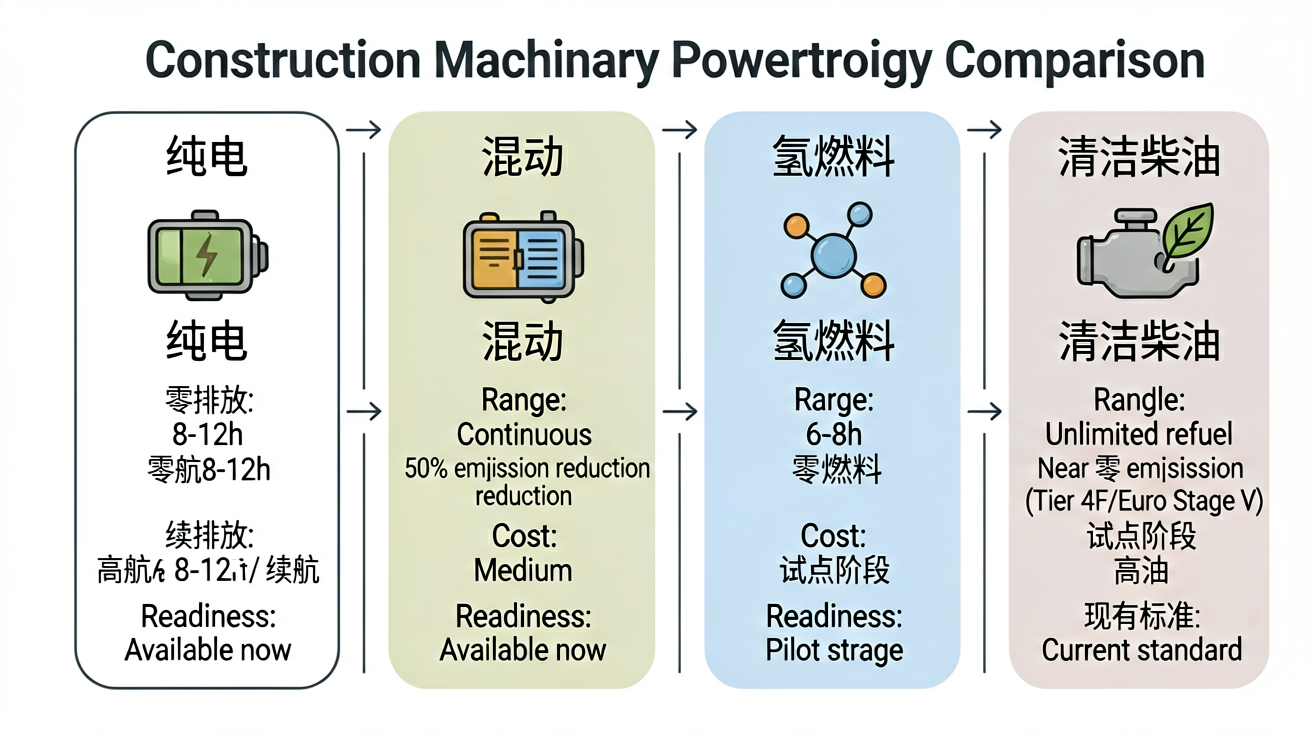
Weichai's global debut of five major technology roadmaps in July — covering pure electric, hybrid, hydrogen fuel, ammonia fuel, and high-efficiency diesel — represents a response by Chinese powertrain enterprises to policy trends. The groundbreaking of Sany Group's solar-plus-storage integrated project in Romania demonstrates the determination of Chinese construction machinery enterprises to deploy clean energy in overseas markets.
Electrification Process Accelerates, Driven by Both Policy and Market
Policy-level push is being translated into tangible market demand. The compound annual growth rate of the global construction machinery electrification market is projected to reach 46.6%, a figure driven by the dual forces of policy mandates and technological maturation.
Sany Heavy Industry has already launched multiple electric excavator and electric loader product lines, covering the 5-ton to 50-ton range. XCMG's scenario-integrated solutions showcased at CONEXPO 2026 also feature electrified equipment as a core selling point. Zoomlion's high-end custom product line similarly targets new energy as its differentiation direction.
For equipment purchasers, tighter regulations mean that compliance costs for traditional fuel-powered equipment will continue to rise — expanding prohibition zones, stricter emission inspections, and the nationwide rollout of "electronic ID cards" all point to the same conclusion: only by investing in electrified equipment early can enterprises gain the initiative in the new policy cycle.
Industry Response Recommendations
In the face of the intensive rollout of policies, it is recommended to take action in the following areas:
Equipment Renewal: Review existing equipment emission ratings, prioritize phasing out National III and below non-road mobile machinery, and monitor the expansion timelines for prohibition zones in various regions.
Technology Reserves: Track new energy technology roadmaps including electric and hydrogen fuel, establish partnerships with leading manufacturers, and secure delivery resources in advance.
Compliance Preparation: Export enterprises should complete EU CBAM compliance filings as early as possible, establish carbon emission accounting systems, and avoid being caught off guard when policies take effect.
Smart Upgrades: In conjunction with regulatory initiatives such as "electronic ID cards," ensure equipment is equipped with remote monitoring and emission data reporting capabilities.
If you would like to learn more about Sany Heavy Industry's electrified equipment product lines and latest pricing, please feel free to contact our sales team for detailed solutions.
*EquipNode — Global Construction Machinery Information and Procurement Platform*