2025-2026 Construction Machinery Deep Dive: Electrification, AI & Global Expansion

For the construction machinery industry, 2025 was the year when concepts became reality. Electrification moved from showroom prototypes to commercially viable machines. AI and autonomy shifted from PowerPoint slides to real worksites. And Chinese manufacturers transformed from low-cost exporters to globally integrated players with manufacturing, service, and financing networks across dozens of countries.
Whether you are a fleet manager, a procurement director, or an independent contractor, understanding these shifts will directly impact your equipment investment returns over the next 3–5 years.
This article synthesizes publicly available industry data and global OEM developments to outline the four most consequential trends shaping construction machinery in 2025–2026.
1. Electrification Hits the Tipping Point
The most significant change in 2025 is not electrification itself—it is its commercial viability. When Oslo and Copenhagen mandate zero-emission construction sites, and when Volvo CE's EC230 electric excavator delivers 74% lower operating costs compared to its diesel counterpart in field trials—electrification has officially moved from "environmental virtue" to "economic necessity."
| OEM | Electric Product | Status |
|---|---|---|
| Volvo CE | EC230 Electric Excavator (23-ton) | Commercial; deliveries underway |
| Caterpillar | 950 GC Electric Wheel Loader (256 kWh) | Production 2025 |
| Komatsu | PC20E/PC26E/PC33E Mini Excavators | Available |
| Komatsu | PC138E-11 (13-ton, 225 kWh) | Europe market launch |
| Liebherr | 475 Zero-emission mining machines | $2.8B Fortescue order |
"The total cost of ownership for electric equipment in urban and regulated environments is now lower than diesel. The question is no longer 'if' but 'when' to switch." — Industry Analyst, EV Construction Equipment Report 2025
2. AI and Autonomy Redefine the Worksite
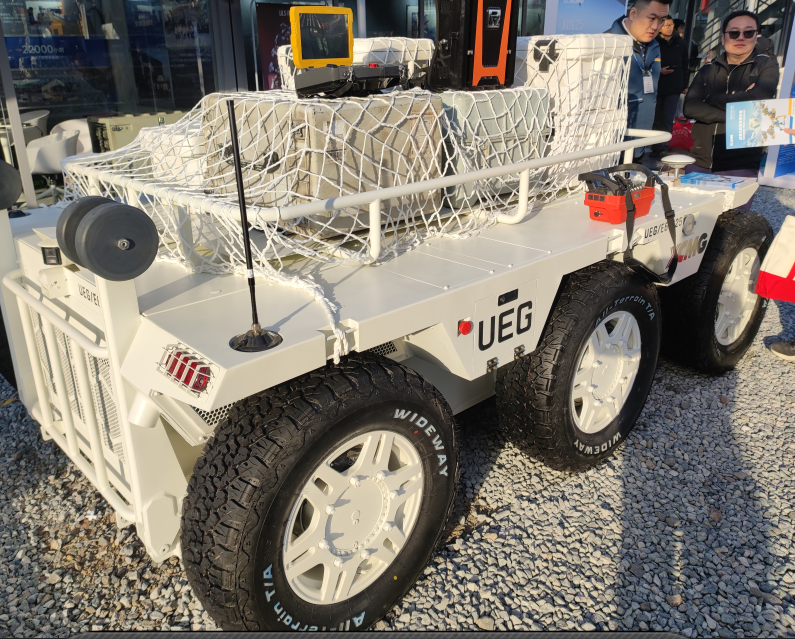
In 2025, intelligence means far more than basic telematics. Caterpillar's Cat Command remote operation system has deployed 550+ autonomous haul trucks globally, boosting quarry productivity by over 30%. Komatsu's Smart Construction platform, built in partnership with NVIDIA, uses 3D digital twins to cut earthwork planning time by 50%.
Three Real-World AI Applications
Predictive Maintenance: Cloud-connected sensors plus AI algorithms detect anomalies before breakdowns occur. Hexagon data shows effective predictive maintenance can reduce unplanned downtime by 25%.
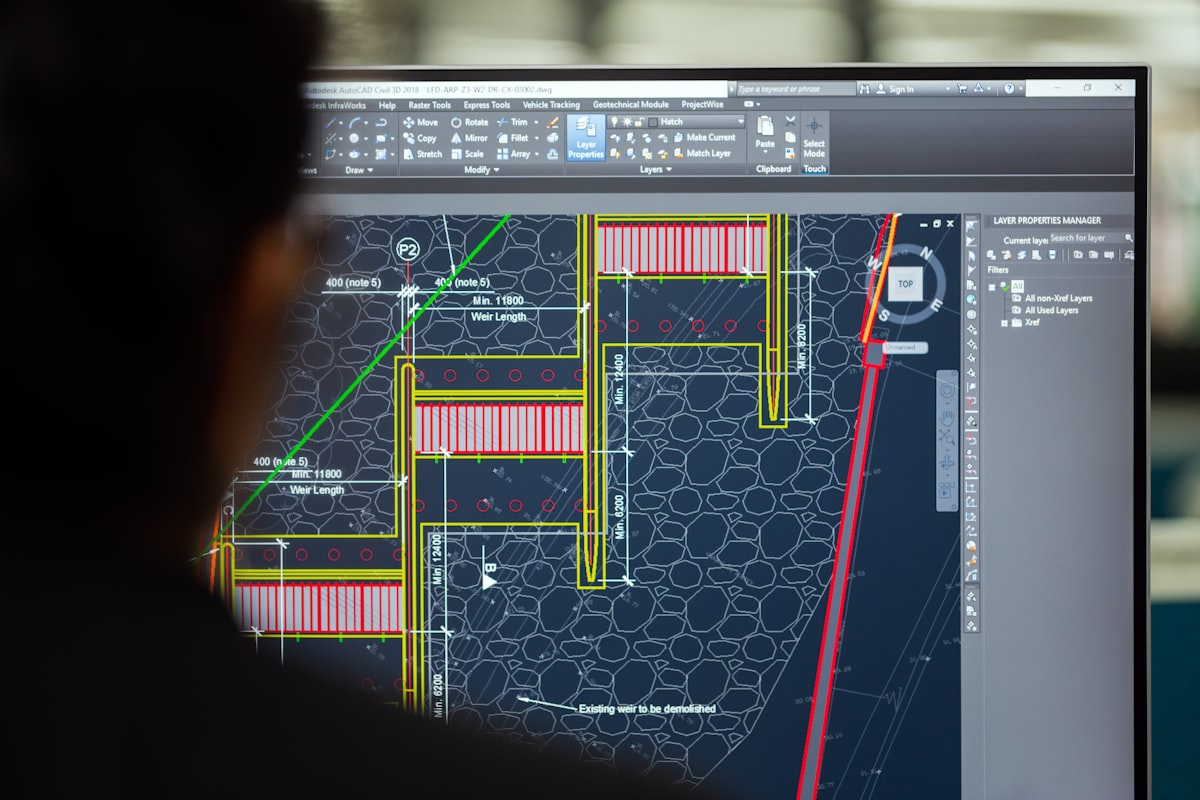
Intelligent Grade Control: Trimble WorksOS and Leica iCON integrate BIM models with GPS-guided machine control. Operators see real-time "dig here, fill there" guidance on in-cab displays, drastically reducing rework.
Dynamic Safety Geofencing: Hexagon's AI-powered system predicts dangerous proximity between machines and workers, creating a real-time invisible safety net on busy sites.
The autonomous construction equipment market is projected to grow from $4.43 billion (2024) to $9.86 billion by 2030 (MarketsandMarkets), reflecting compound annual growth of approximately 14%.
3. Chinese OEMs Go Global: From Export to Ecosystem
Chinese construction machinery globalization entered a new phase in 2025—no longer pure trade, but comprehensive local integration including manufacturing, service, and financing.
SANY Heavy Industry now employs approximately 90,000 people worldwide, with manufacturing bases in Australia, Brazil, Germany, India, Indonesia, Kazakhstan, and the United States. It holds the world's #1 position in concrete machinery market share.
XCMG reaches 180+ countries and territories, including ~97% of Belt and Road Initiative countries, supported by 300+ overseas distributors and 2,000+ service outlets.
Southeast Asia emerged as the hottest growth front in 2025. Indonesia's nickel mining and infrastructure boom, Vietnam's manufacturing migration, and Malaysia's data center construction are all driving strong demand for construction machinery. Singapore has gone further, mandating productive construction technologies by regulation.
4. The Structural Opportunity in Used Equipment
As electrified and intelligent machines enter the market at an accelerating pace, a wave of high-quality late-model used equipment is flowing into secondary markets. For mid-sized contractors and owner-operators, this represents a strategic window.
China's emissions standard upgrade—full implementation of the China National Stage IV standard—has also accelerated replacement cycles. Many Stage III machines face operational restrictions in certain regions, pushing well-maintained, relatively young equipment into the used market.
Importantly, used equipment purchasing decisions are shifting from "listen to the engine" to "read the data." Machines equipped with remote monitoring modules provide verifiable records of actual operating hours, fuel consumption curves, and hydraulic system temperature logs—far more reliable than visual inspection alone.
5. The Policy Landscape Reshaping Competition
Policy is the invisible hand driving change. Key regulatory developments in 2025-2026 include:
- European Union: Major cities phasing in diesel machinery bans; zero-emission construction sites becoming the new normal
- China: "i-Construction" smart construction site initiative; subsidies for automated and digital construction technologies
- United States: $1.2 trillion infrastructure bill unlocking massive project demand; labor shortages accelerating automation adoption
- Japan: Government i-Construction program supporting digital construction and autonomous machinery R&D
- Southeast Asia: Continued infrastructure investment across Indonesia (new capital Nusantara), Vietnam (high-speed rail), and Malaysia
Three Key Takeaways
- Electrification's tipping point is here. Not every application is ready, but urban, tunneling, and indoor operations now have a compelling economic case for electric.
- Intelligence is not a "future feature"—it's a "resale value feature." A used machine with remote diagnostics and semi-autonomous capability will command a growing premium over a dumb machine 3 years from now.
- Service network matters more than brand name. When buying equipment for overseas projects, the supplier's local parts inventory and repair capability are far more important than a few percentage points difference in specs.
🔧 Find the Right Machine for Your Project
EquipNode connects buyers and sellers of construction machinery worldwide. Browse verified listings for new and used equipment, backed by transparent information and professional support.
Browse Equipment →Contact us on Telegram for one-on-one equipment recommendations